What Is Mohs Surgery? Procedure, Benefits and Recovery

Skin cancer is the most common cancer worldwide. Millions of people receive a diagnosis every year, and while early detection improves outcomes significantly, some skin cancers grow in locations where every millimetre of tissue matters. Standard removal approaches can fall short in those situations. That is where Mohs surgery becomes the gold standard.
What is Mohs Surgery?
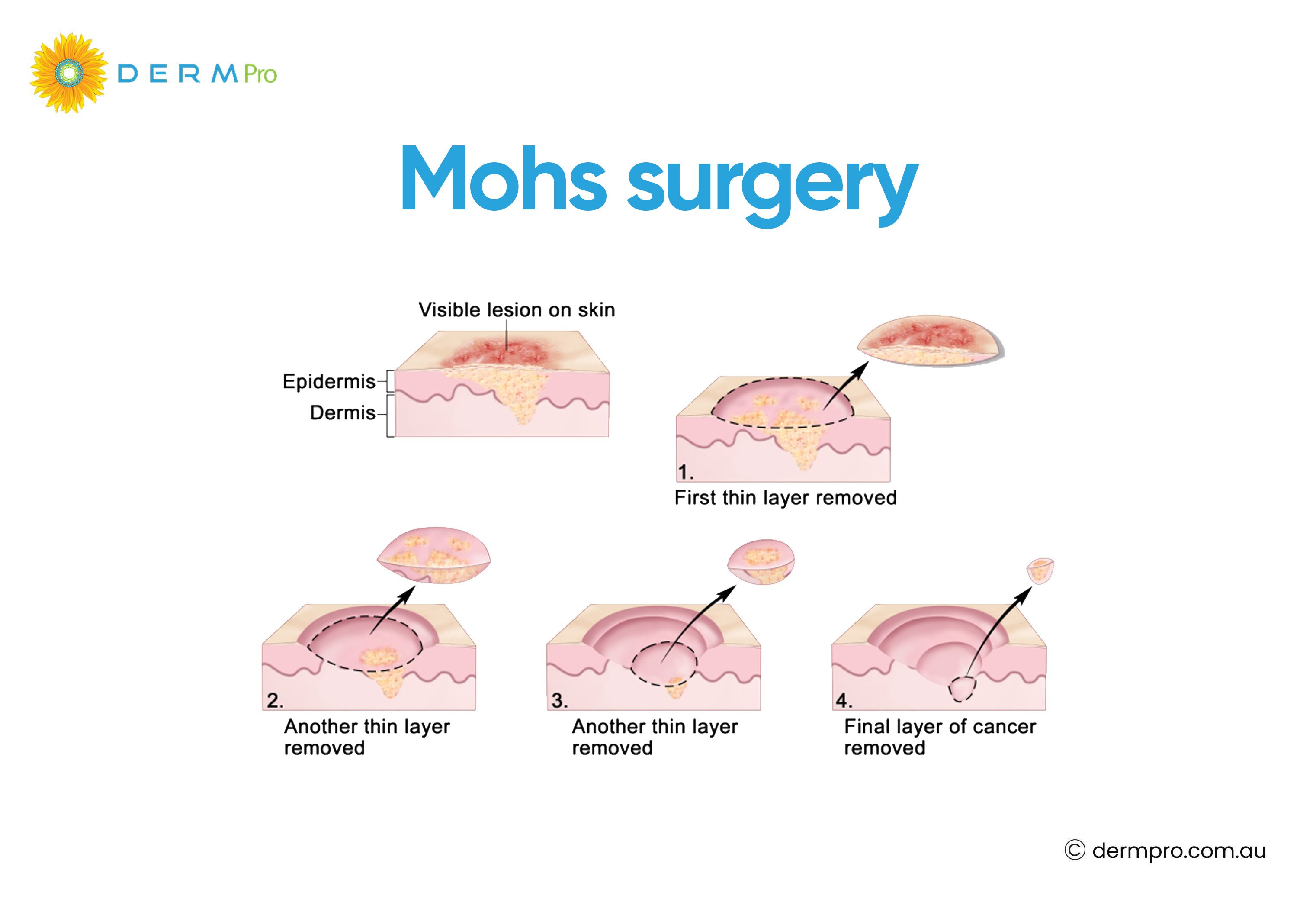
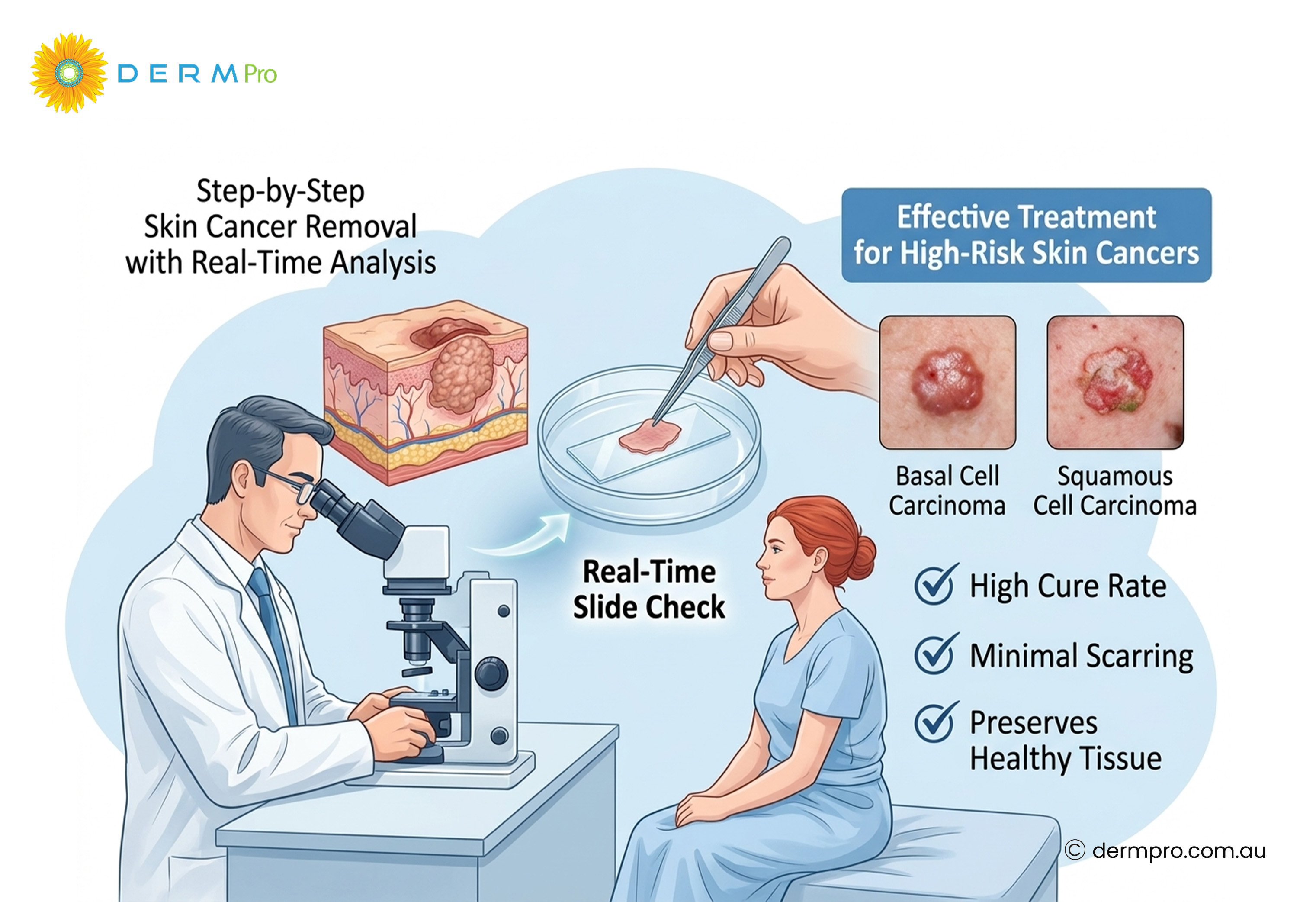
Mohs surgery, formally called Mohs micrographic surgery, is a precise, layer-by-layer skin cancer removal technique. A trained Mohs surgeon removes cancerous tissue in thin layers and immediately examines each layer under a microscope. If cancer cells remain at the edges, the surgeon removes another layer from only that exact spot. This cycle continues until the tissue shows completely clear margins.
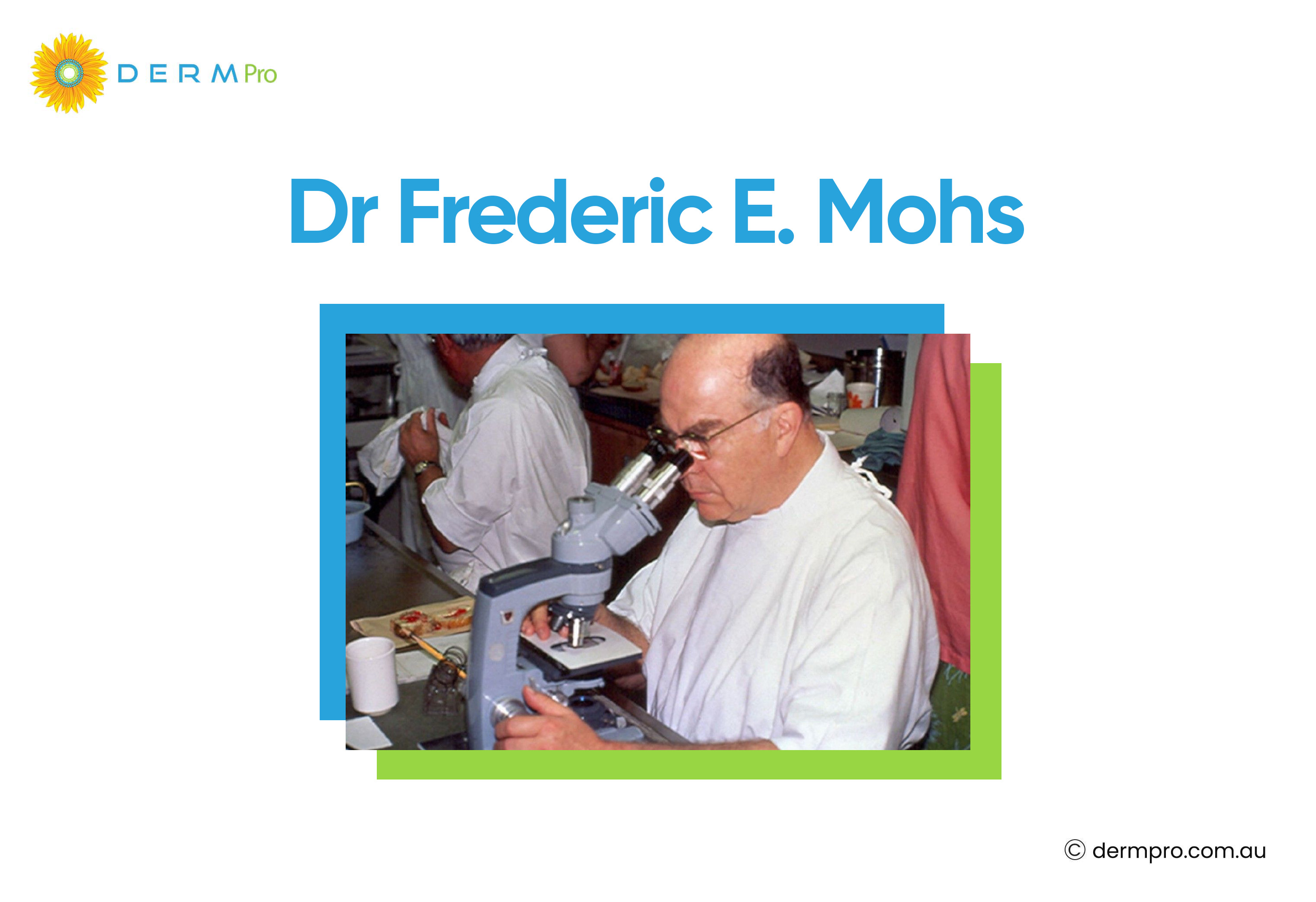
Dr Frederic E. Mohs developed this technique in the late 1930s. Modern refinements have made it the most effective form of skin cancer surgery available today.
What separates Mohs micrographic surgery from conventional skin cancer operation methods is the on-site histology lab. The surgeon processes the tissue, reads the slides personally, and proceeds all within the same appointment. No waiting days for external lab results.
Who Needs This Procedure?
Not every skin cancer diagnosis calls for Mohs surgery. Surgeons recommend this specialised skin cancer removal approach when precision is critical.
Cancers It Treats Best
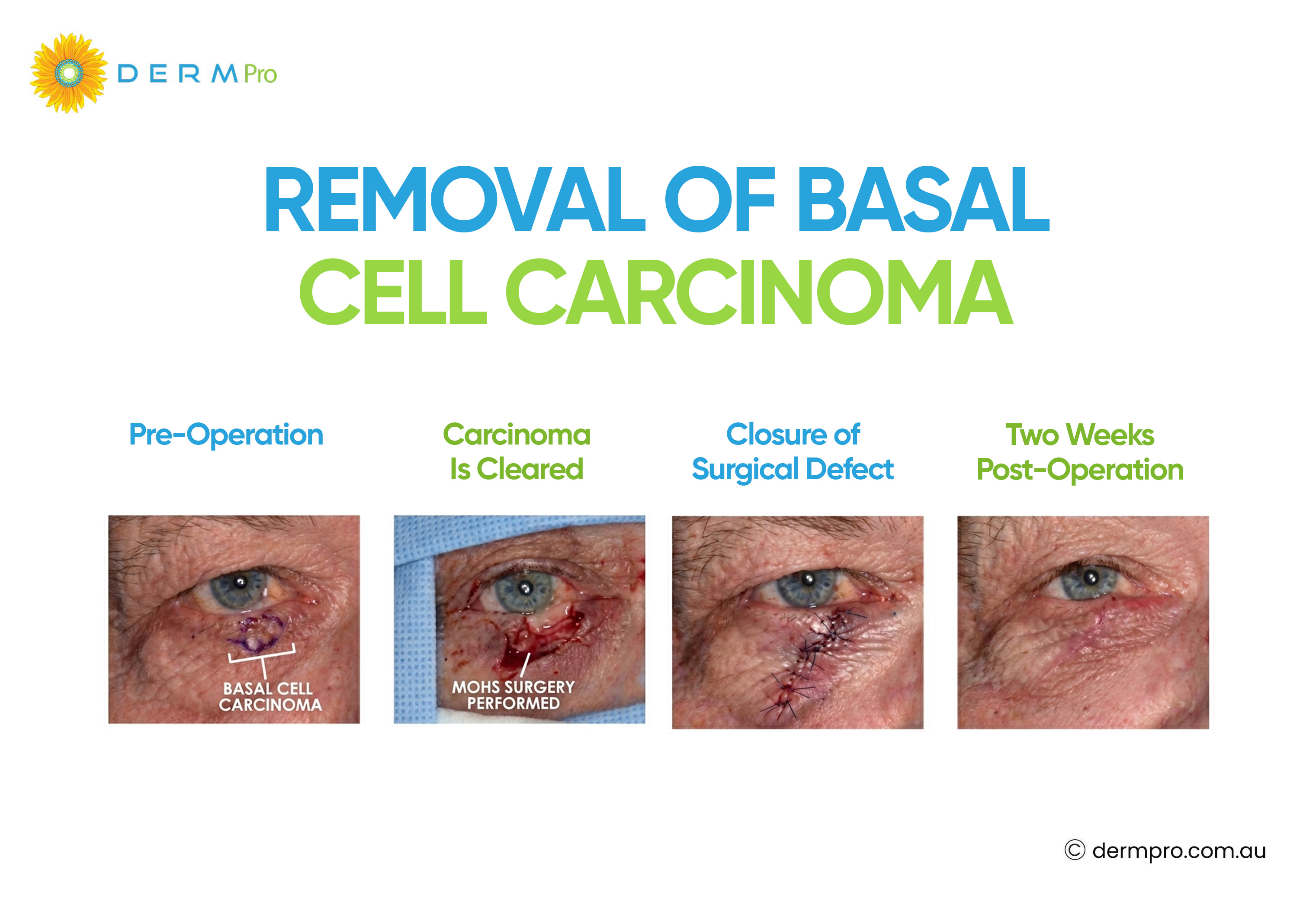
Basal cell skin cancer surgery represents the most common application of Mohs. Doctors widely regard it as the benchmark treatment for high-risk or recurrent basal cell carcinomas. Left untreated, basal cell carcinoma can grow deep into surrounding tissue even though it rarely spreads to other organs.
For squamous cell carcinoma a more aggressive cancer that carries a higher risk of spreading skin cancer Mohs treatment offers the most reliable path to complete skin carcinoma removal, particularly for large or poorly defined tumours.
In selected cases with modified techniques, specialists may consider Mohs for certain rare tumour types, though it does not form part of the standard melanoma protocol.
High-Risk Locations That Demand Extra Care
The procedure is especially well-suited for cancers found on the nose, eyelids, lips, ears, forehead, scalp, hands, feet, or genitals. Removing skin cancer from the face is where Mohs surgery actually works. Conventional wide-margin excision can leave patients with significant cosmetic and functional consequences, while Mohs confirms exactly where the cancer ends before the surgeon closes anything.
A Mohs surgeon will also favour this technique when:
- The cancer has returned after previous treatment
- Tumour borders are blurry or visually undefined
- The cancer grows aggressively or reaches an unusually large size
- The patient has a weakened immune system
The Mohs Surgery Procedure: Step by Step
Before the Surgery Begins
Mohs surgery for skin cancer is an outpatient procedure; you arrive, have the procedure, and leave the same day. Your surgeon will review your medications, particularly blood thinners. Eat beforehand, wear comfortable clothing, and arrange a driver to take you home.
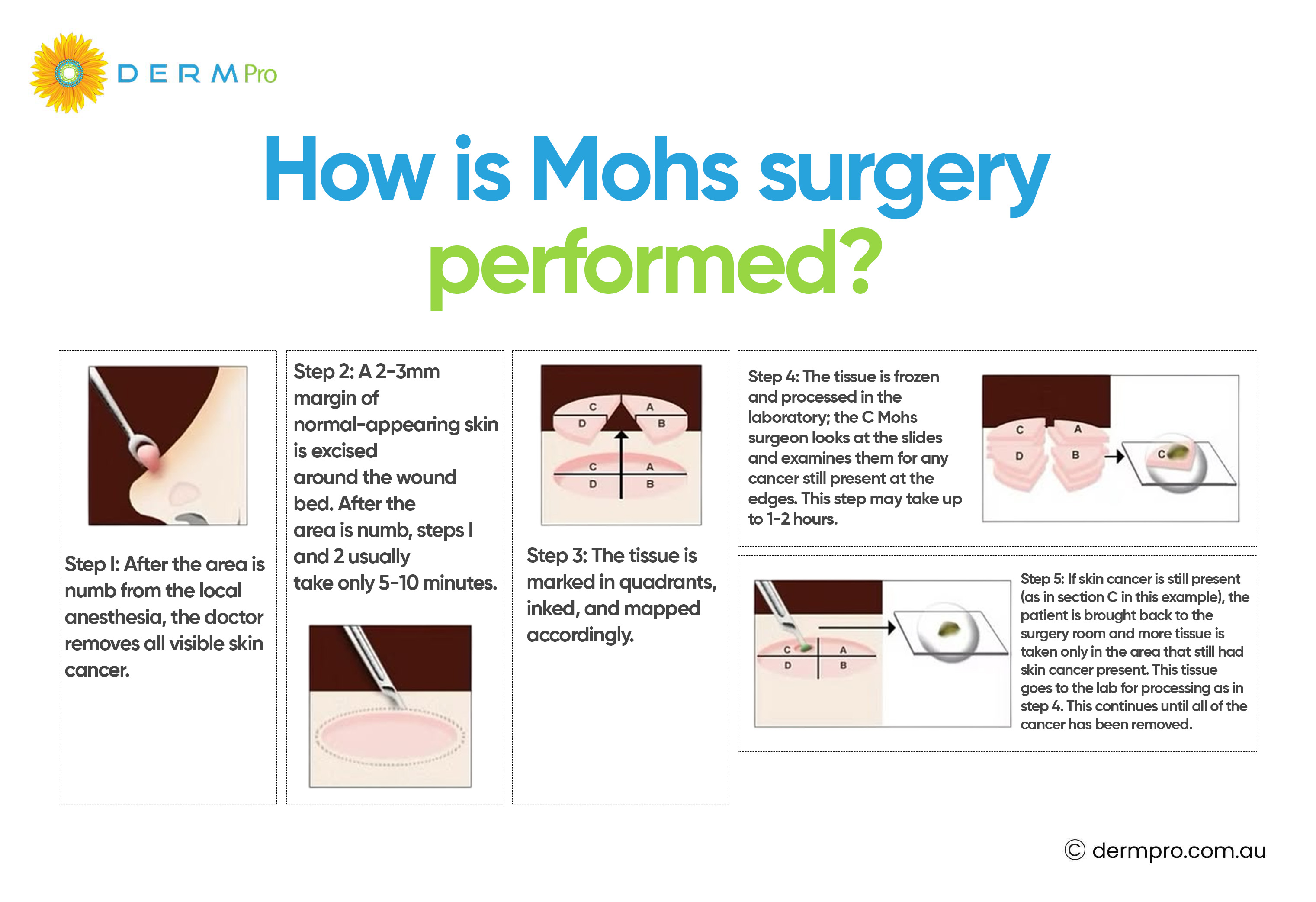
A healthcare professional cleans and marks the target area on arrival, then injects a local anaesthetic. Once the area is fully numb, the procedure begins.
Stage One: Removing the First Layer
The surgeon removes the visible tumour plus a very thin margin of surrounding tissue with a scalpel. A temporary bandage goes on the wound, and the patient moves to a waiting area.
Lab Analysis
In the on-site laboratory, a technician colour-codes and maps each tissue margin. The sample freezes rapidly, gets sliced into thin sections, and mounts onto glass slides stained with cell-highlighting dyes.
The surgeon then examines every margin under a microscope, top, bottom, and sides, searching for stray cancer cells. This microscopic examination generally takes between 45 minutes and one hour.
Acting on Results
Clear slides mean the procedure is complete, and the surgeon repairs the wound using stitches, a skin flap, or a skin graft depending on size and location.
Remaining cancer cells trigger a second stage. The surgeon targets only the exact area where cells persist, removes another thin layer, and repeats the examination. This targeted, real-time approach is what separates Mohs surgery for skin cancer from every other technique.
Why Surgeons and Patients Choose Mohs Surgery?
Exceptional Cure Rates
Clinical data place the cure rate for first-time basal cell carcinomas at approximately 99%. For recurrent tumours, success rates still reach 94–95%. No other single skin cancer operation method comes close to these figures across decades of peer-reviewed research.
Tissue Preservation
Real-time margin checks allow the surgeon to keep healthy skin rather than removing extra tissue as a precaution. This tissue-sparing quality becomes especially significant when treating skin carcinoma removal near delicate structures like the eye, nose, or lip.
Better Cosmetic Results
Smaller wounds require simpler closures. Simpler closures produce less noticeable scars. For anyone undergoing the removal of skin cancer from the face, this improvement matters enormously both aesthetically and functionally.
Same-Day Certainty
Patients leave knowing their cancer is gone. Conventional excision sends tissue to an external lab and leaves patients waiting anxiously for days. Mohs surgery eliminates that entirely.
How Long Does Mohs Surgery Take?
This question catches many patients off guard. The surgical cutting takes minutes; the waiting takes hours.
Block out the entire day. Here is a realistic time estimate:
- One stage (simple, superficial tumour): 2–3 hours total
- Two to three stages (moderately complex): 3–5 hours
- Four or more stages (deep, large, or irregular tumour): 6+ hours
- Wound reconstruction (skin flap or graft): additional surgical time required
So when patients ask how long does Mohs surgery take, the most honest answer is: plan for a full day and consider anything shorter a bonus.
Recovery and Healing
Most patients recover without significant complications.
The First 48 Hours
Swelling and bruising around the wound site are completely normal, especially after removing skin cancer from the face. Some throbbing once the anaesthesia wears off is expected and manageable with standard over-the-counter pain relief. Keep the treated area elevated and avoid heavy lifting or bending for at least 48 hours.
Wound Care at Home
Your surgeon will send you home with a written care plan. General principles include:
- Keep the wound moist: Apply a thin layer of petroleum jelly or prescribed ointment daily; dry wounds heal more slowly and scar more noticeably
- Change dressings once or twice daily with clean hands
- Stay out of water: Avoid pools, the ocean, and any submersion until your surgeon clears you
- Protect from the sun: Scar tissue is especially vulnerable to UV damage and pigmentation changes
What Do Mohs Surgery Scar Pictures Show?
Patients frequently search Mohs surgery scar pictures before their procedure to understand what to expect. The honest answer is that a scar will form, which is how the body heals.
Mohs Surgery Scar Pictures
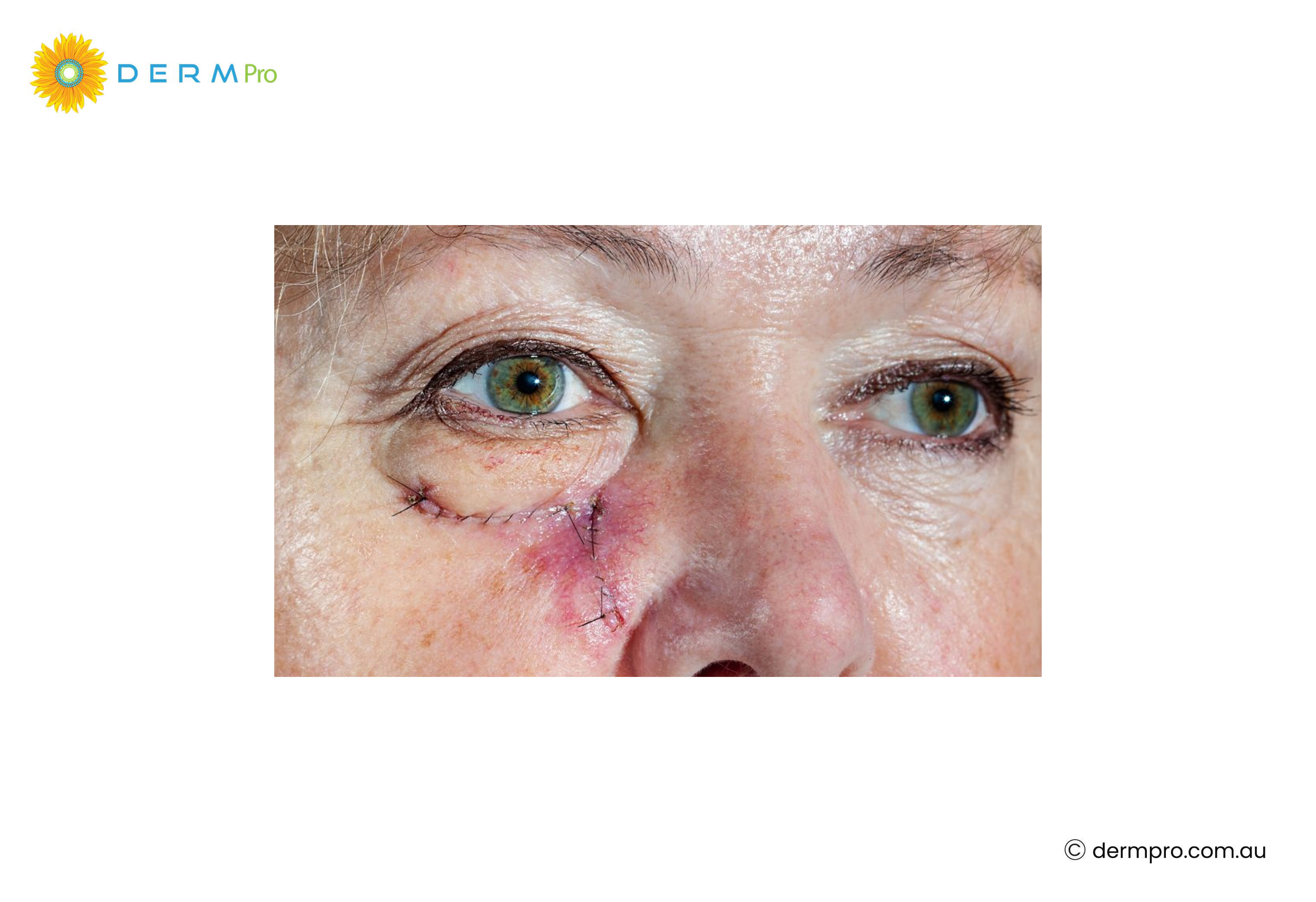
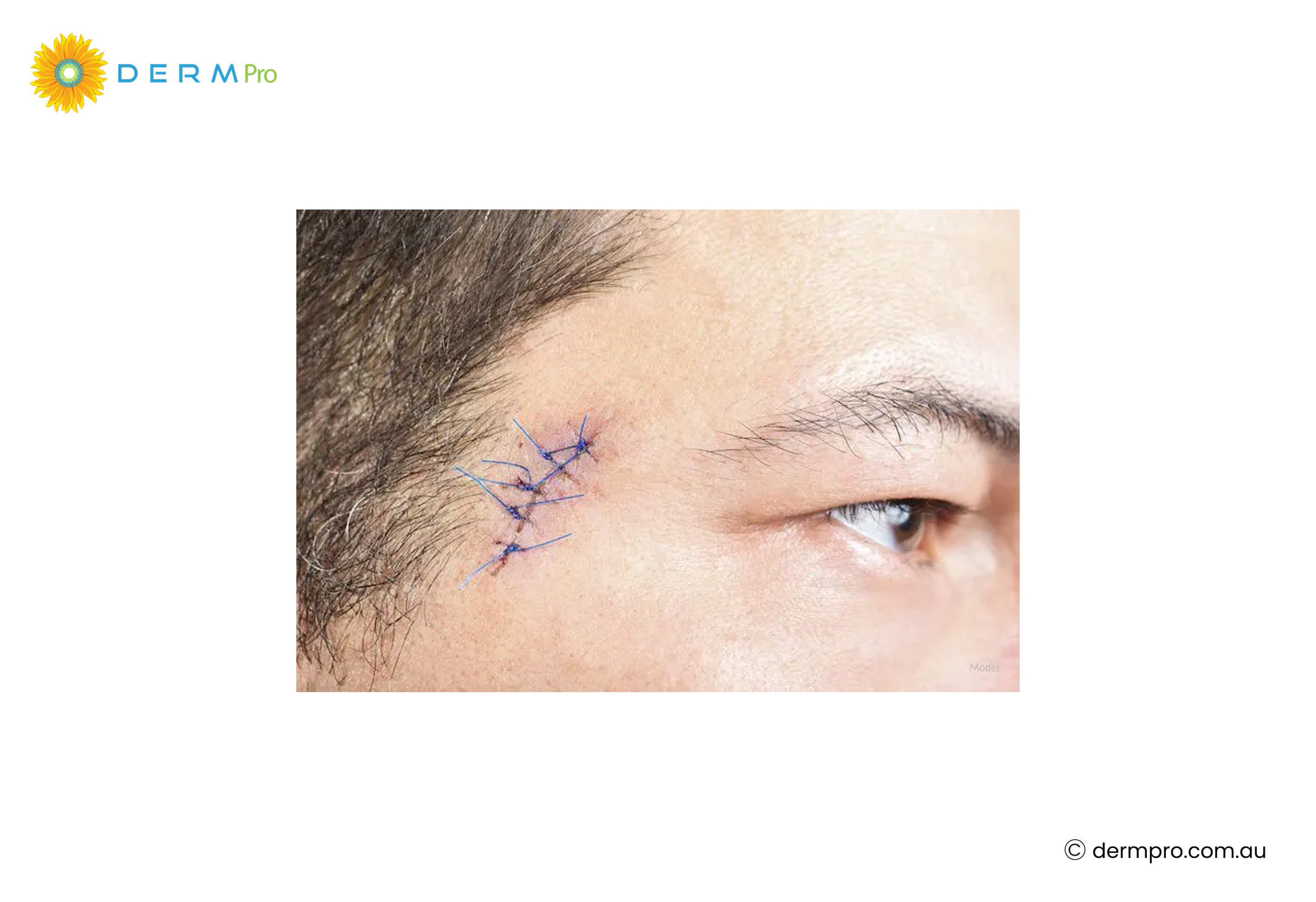
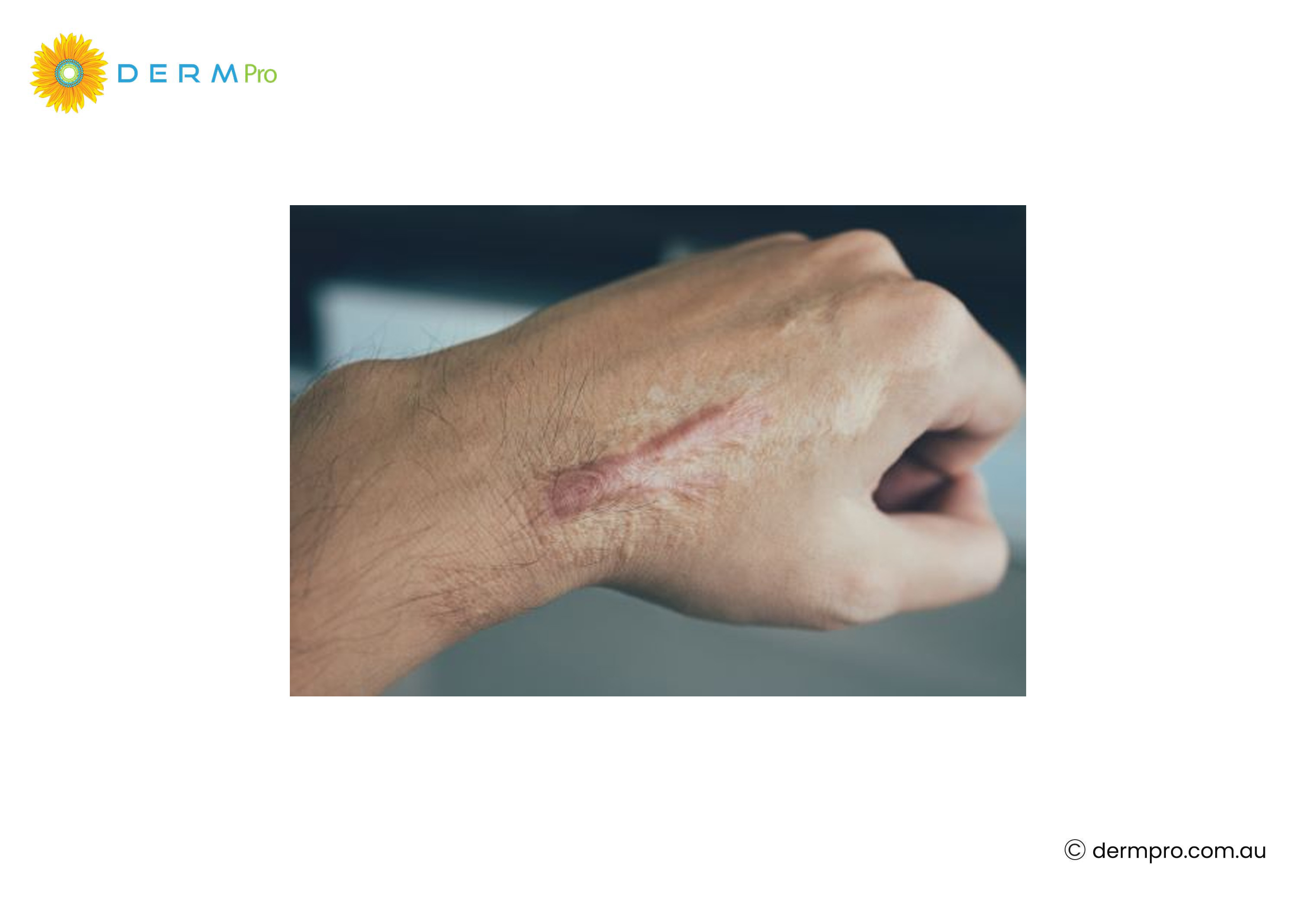
However, Mohs surgery pictures consistently show that scars tend to be less prominent than patients fear, largely because the wound stays as small as possible.
Mohs Surgery Pictures Before and After with Full Recovery
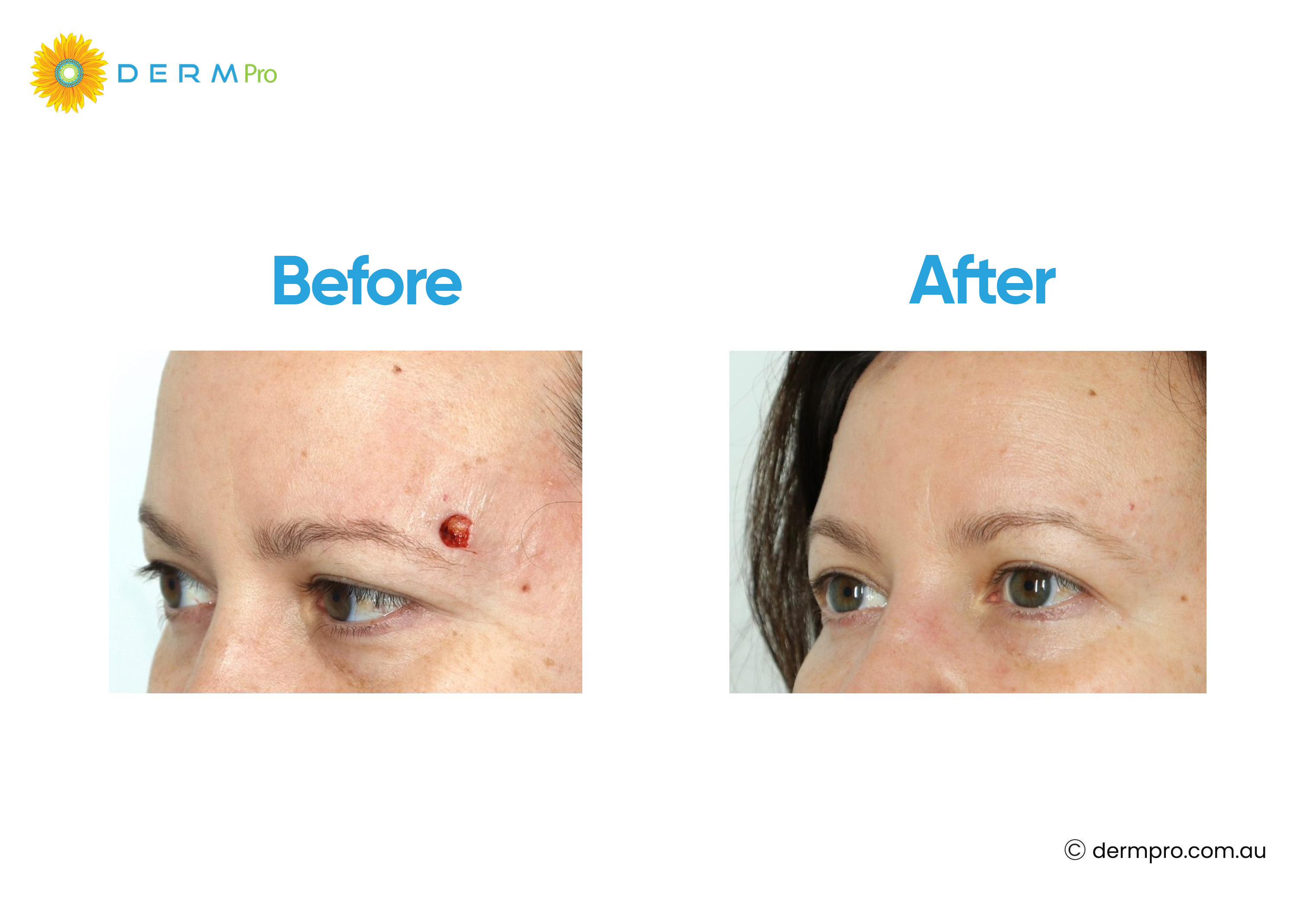
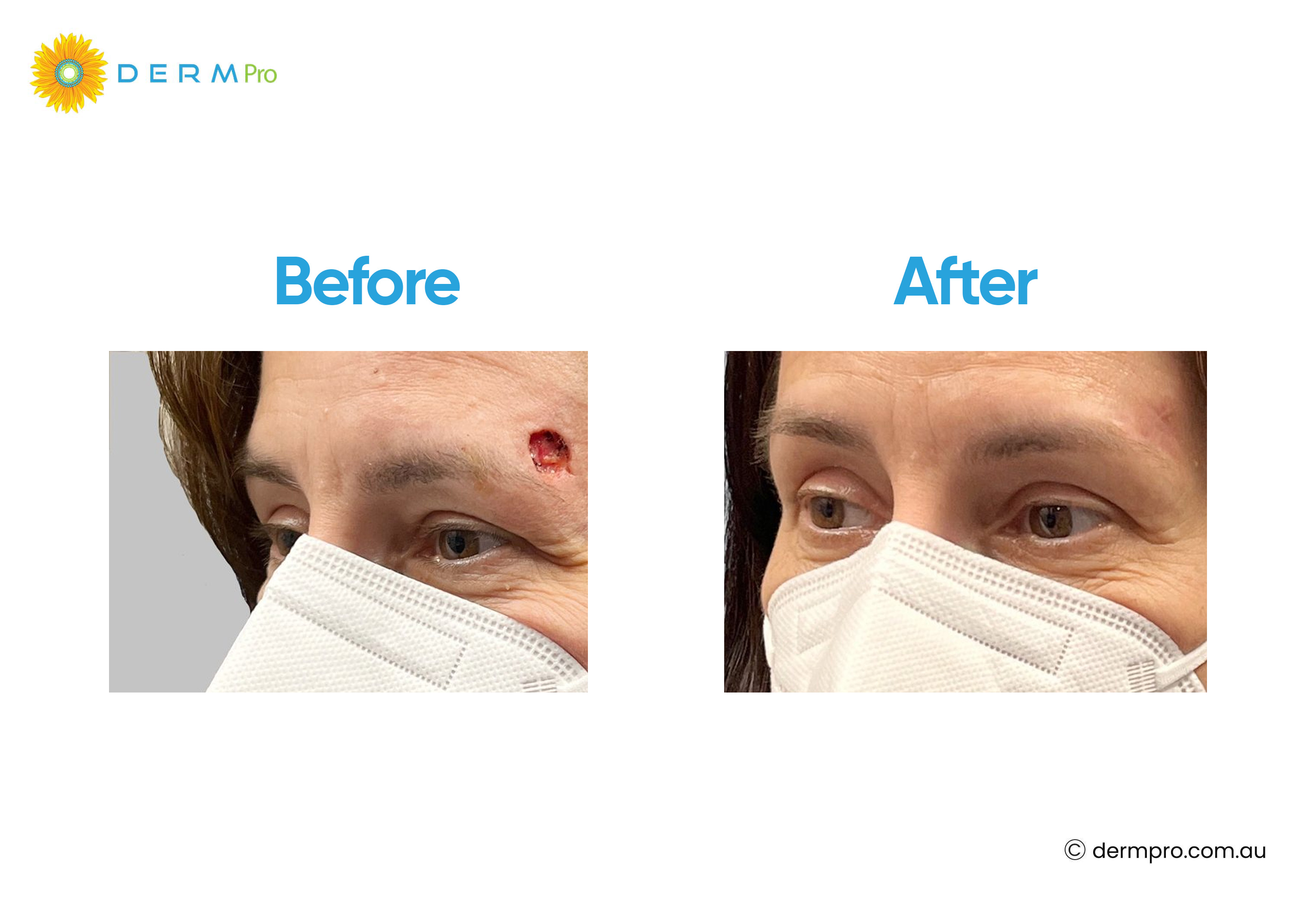
Full scar maturation takes 12–18 months. During this time, the scar lightens, flattens, and softens. For prominent areas, options like silicone gel sheets, fractional laser treatment, or injectable procedures can accelerate improvement. Discuss these at your follow-up appointment.
Potential Risks
Mohs surgery carries a strong safety profile. Local anaesthesia significantly reduces the risks associated with general anaesthesia. That said, patients should be aware of:
- Common experiences include mild discomfort once anaesthesia fades, swelling, bruising, temporary numbness, and visible scarring.
- Less frequent risks include wound infection (uncommon when patients follow aftercare instructions), minor bleeding, or delayed healing in those with diabetes or circulation issues.
- Rare complications involve nerve-related sensation changes near delicate facial structures, wound breakdown, or adverse reaction to local anaesthetic.
Contact your clinic promptly if the wound develops increasing redness, unusual discharge, or if you develop a fever these are signs of infection that respond well to early treatment.
Frequently Asked Questions
Can Mohs surgery treat melanoma? How do you get rid of melanoma?
Standard Mohs surgery generally does not apply to melanoma. Frozen tissue sections make melanoma cells difficult to identify accurately. For those asking how to get rid of melanoma, the established answer is wide local excision with larger clear margins, often paired with a sentinel lymph node biopsy.
Advanced melanoma may require immunotherapy, targeted molecular treatments, or radiotherapy. A modified Mohs technique using permanent tissue sections sometimes called "slow Mohs" is occasionally used for lentigo maligna specifically. Always consult a specialist dermatologist or oncologist for melanoma management.
How do I find a Mohs surgeon near me?
Searching for Mohs surgeon near me is a good starting point, but the most effective first step is a referral from your GP or dermatologist. For patients seeking Mohs surgery in Sydney specifically, several specialist dermatology centres offer this procedure. Prioritise surgeons who have completed dedicated fellowship training in Mohs micrographic surgery and have hands-on experience with wound reconstruction following skin cancer removal surgery.
The Bottom Line
Mohs surgery combines complete surgical removal with real-time microscopic verification, a combination no other single skin cancer surgery technique currently matches. For patients facing basal cell or squamous cell carcinoma, particularly in visible or functionally sensitive areas, it offers the best available cure rates while preserving the surrounding healthy tissue.
Recovery is manageable, scarring improves meaningfully over time, and patients leave the clinic with confirmed results on the same day. If you have received a skin cancer diagnosis, talk to your dermatologist or a qualified Mohs surgeon to find out whether this approach suits your specific case.
This article is for general educational purposes only and does not substitute for personalised medical advice. Always consult a licensed healthcare professional regarding your individual diagnosis and treatment options.
Was this article helpful?
Your feedback helps us create better content for everyone.