Seborrheic Keratosis: Symptoms, Treatments & Risks

Have you ever noticed a rough, waxy, or wart-like growth on your skin that seems to appear out of nowhere? It can be seborrheic keratosis. It is one of the most common non-cancerous skin growths seen in older adults. However, it rarely causes serious harm, but it can be alarming and irritating.
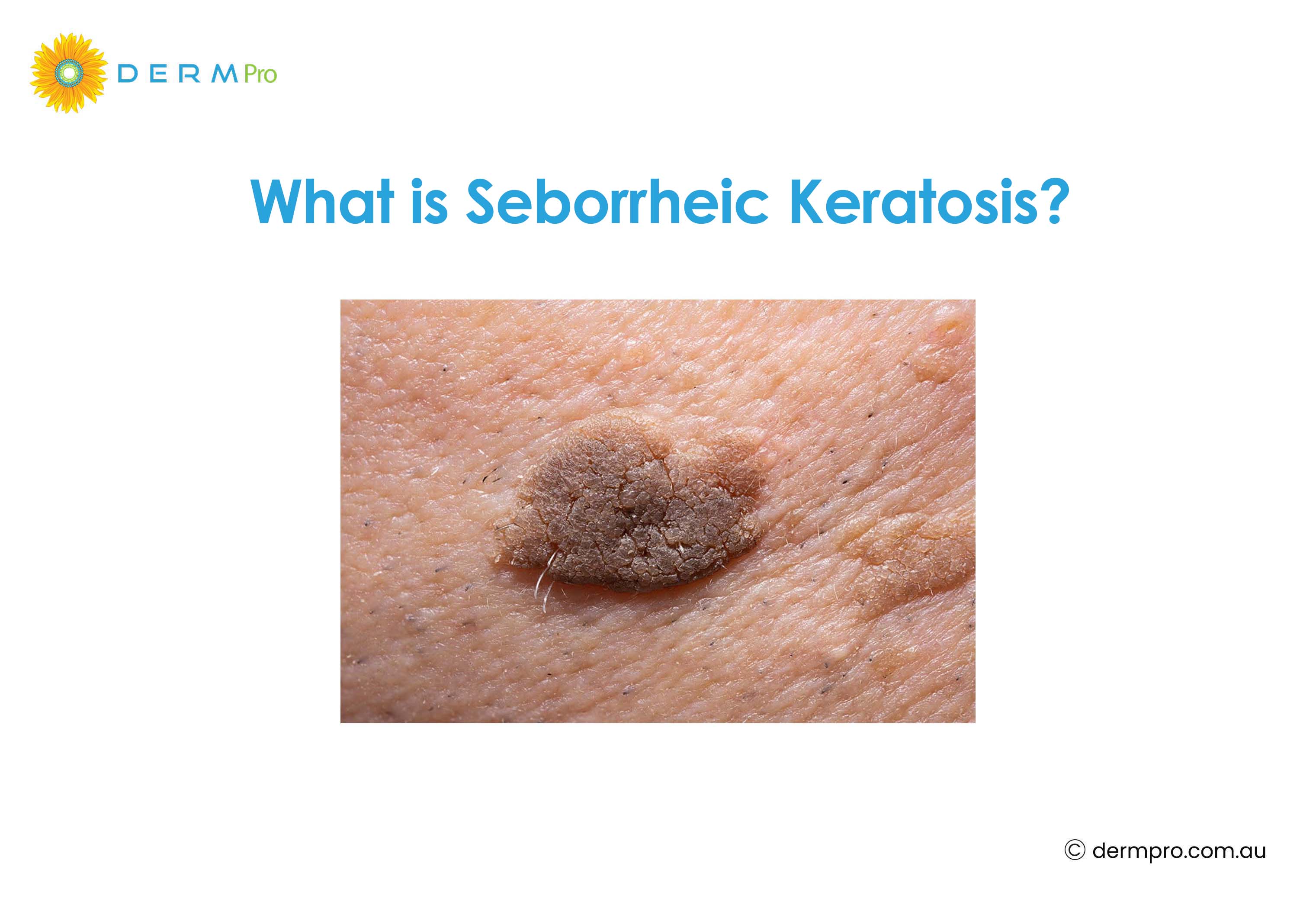
What Is Seborrheic Keratosis?
Seborrheic keratosis (plural: seborrheic keratoses) is a common and benign skin growth that originates from keratinocytes, the cells that make up the outer layer of the skin.
The word "seborrheic" refers to oily areas of the skin, though these growths can appear anywhere on the body. They are also sometimes called "seborrheic warts" or "barnacles of aging". But they are not true warts and have no connection to human papillomavirus (HPV).
It is also termed an epidermal tumour. This is a non-cancerous keratosis. It means it does not transform into cancer and does not spread to other parts of the body. In a nutshell, it is generally considered harmless. However, it can sometimes resemble more serious skin conditions. That is why medical evaluation is important.
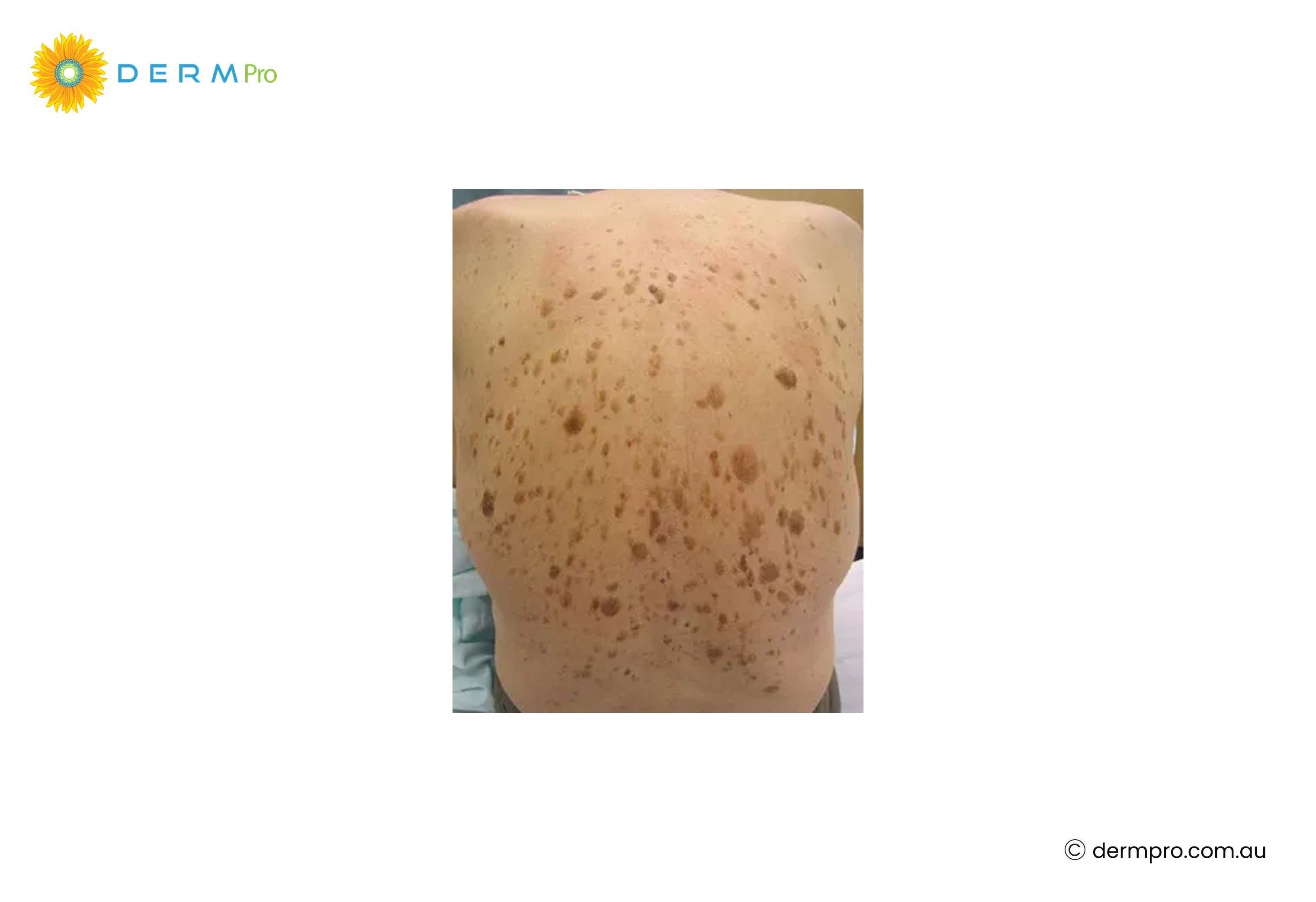
An important key fact about seborrheic keratosis:
- Extremely common, affects more than 80% of adults over the age of 60
- Not contagious, cannot be spread through touch or contact
- Non-cancerous, no risk of turning into cancer
- Can appear singly or in large numbers
- No known internal cause; does not indicate internal disease
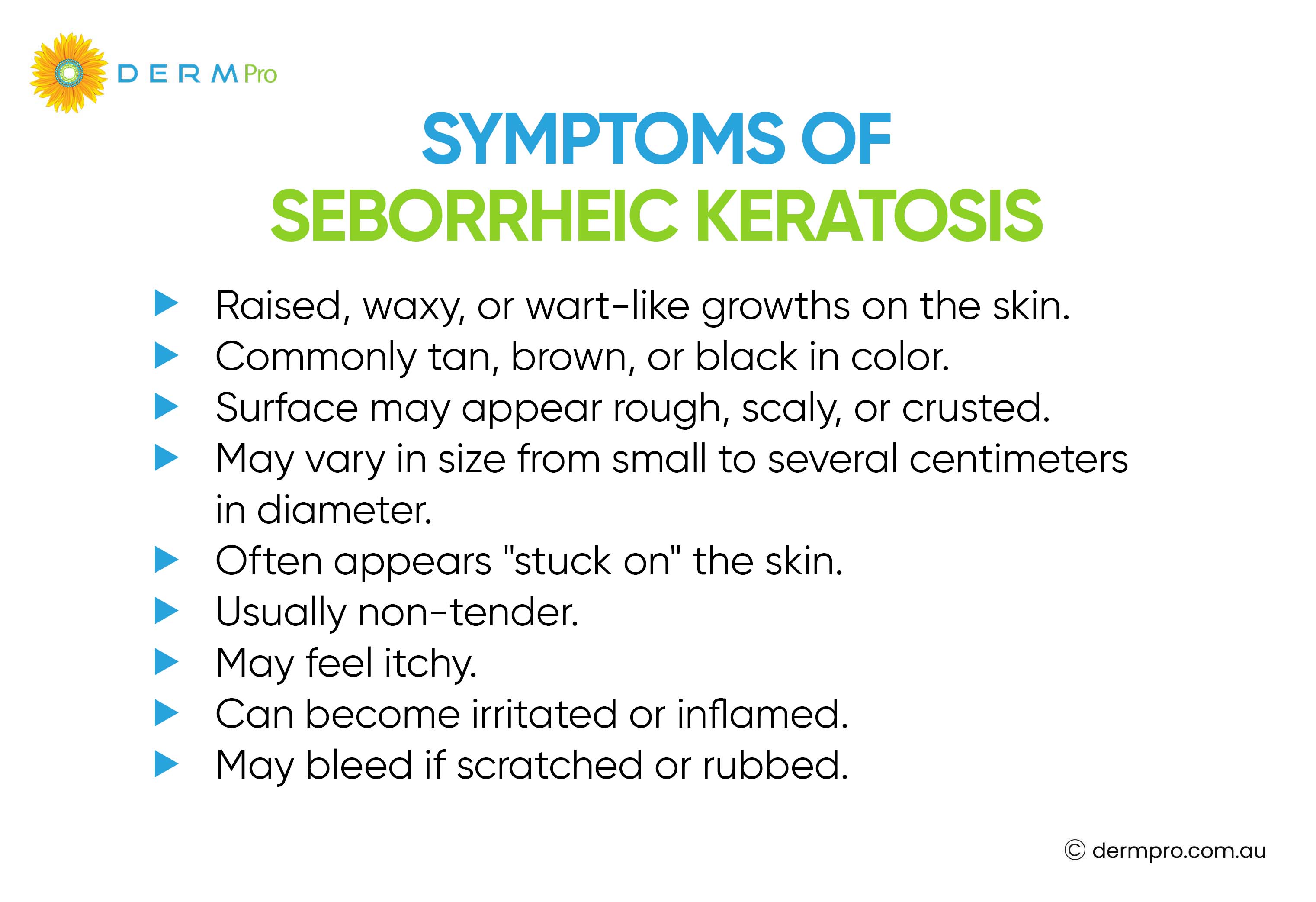
Symptoms of Seborrheic Keratosis
Seborrheic keratoses have a distinctive appearance that usually makes them recognisable. They typically look "stuck on" the skin, as if someone placed a small waxy patch on the surface. Here is what to look for:
General Appearance
- Colour: Light tan, brown, dark brown, or nearly black
- Texture: Rough, warty, or velvety; waxy or greasy-looking
- Shape: Round or oval, with sharply defined edges
- Size: Usually between 1 mm and 2.5 cm in diameter
- Feel: Raised above the surface of the skin; may feel bumpy or scaly
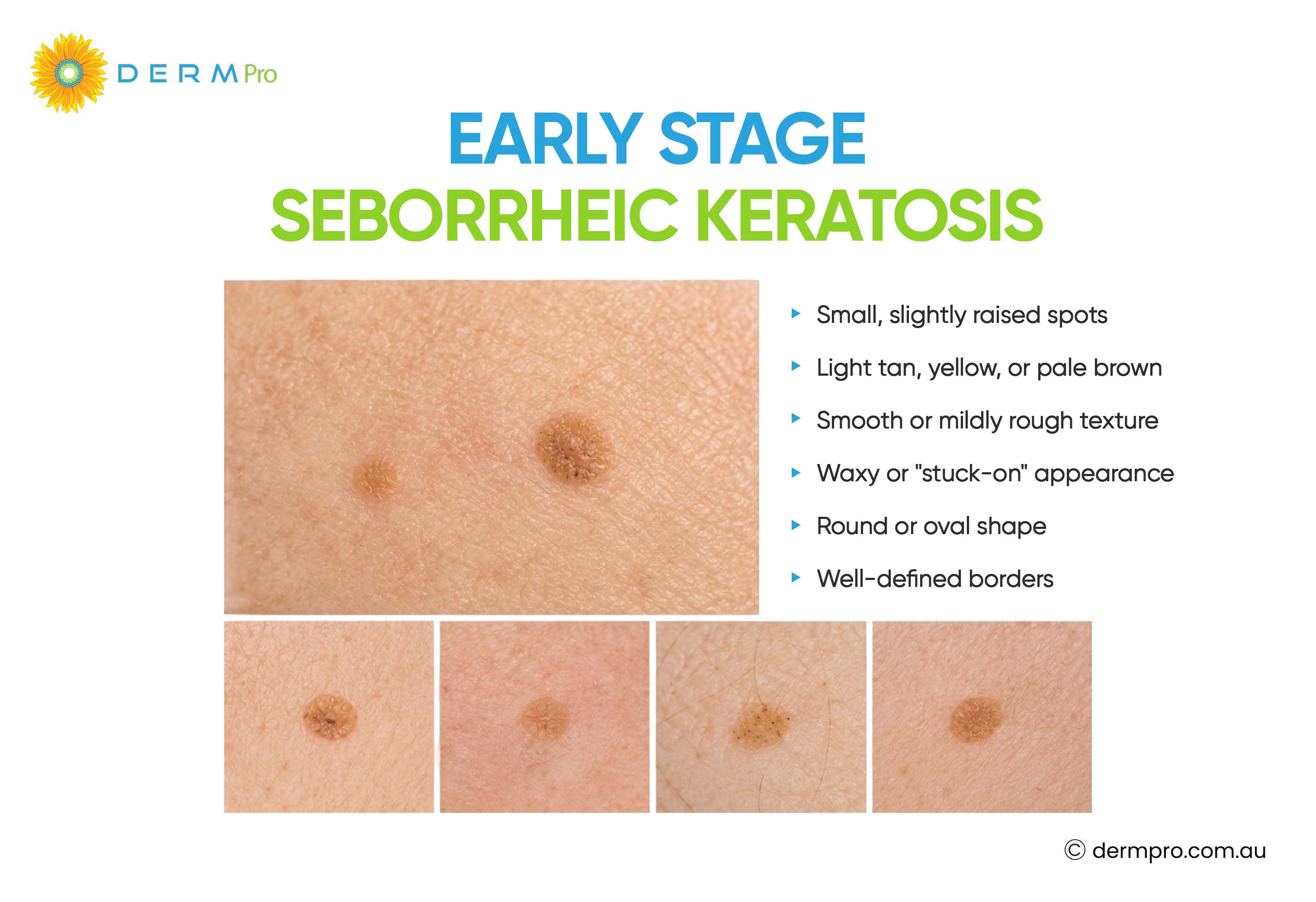
Early Stage Seborrheic Keratosis
In its earliest form, early-stage seborrheic keratosis may appear as a small, flat, slightly discoloured patch of skin that looks like a freckle or a light-brown spot. At this point, it may be barely noticeable and feel smooth to the touch. Over time, the growth typically becomes more raised, thickens, and develops a rougher, wart-like texture.
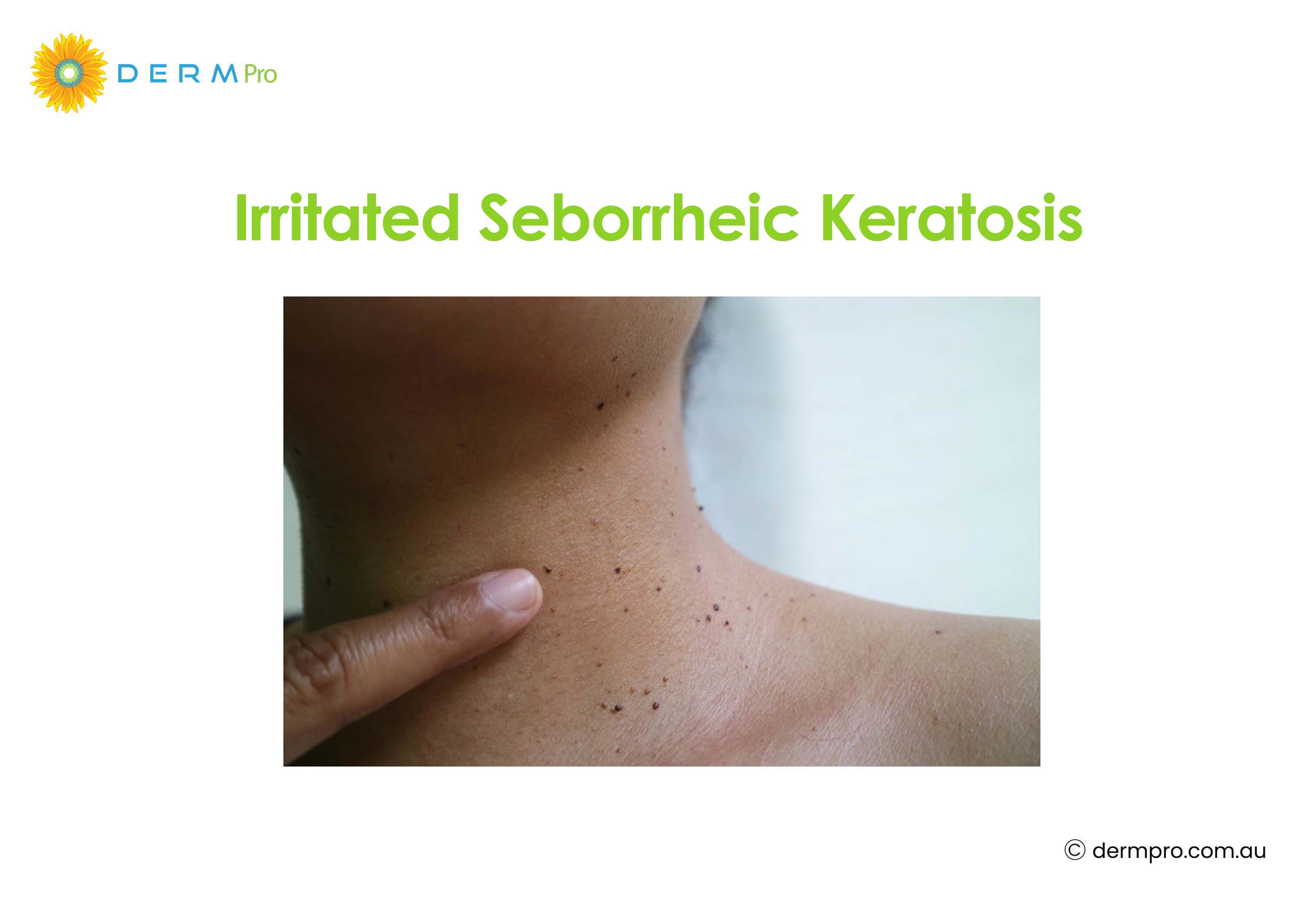
Irritated Seborrheic Keratosis
Sometimes, a growth can become an irritated seborrheic keratosis. It happens especially when it is in an area of friction, such as under a bra strap, around the collar, or on the waistband. Signs of irritation include redness around the growth, itching or burning sensation, tenderness when touched, and swelling or crusting. Irritation does not mean the lesion is cancerous, but it is a reason to have it examined.
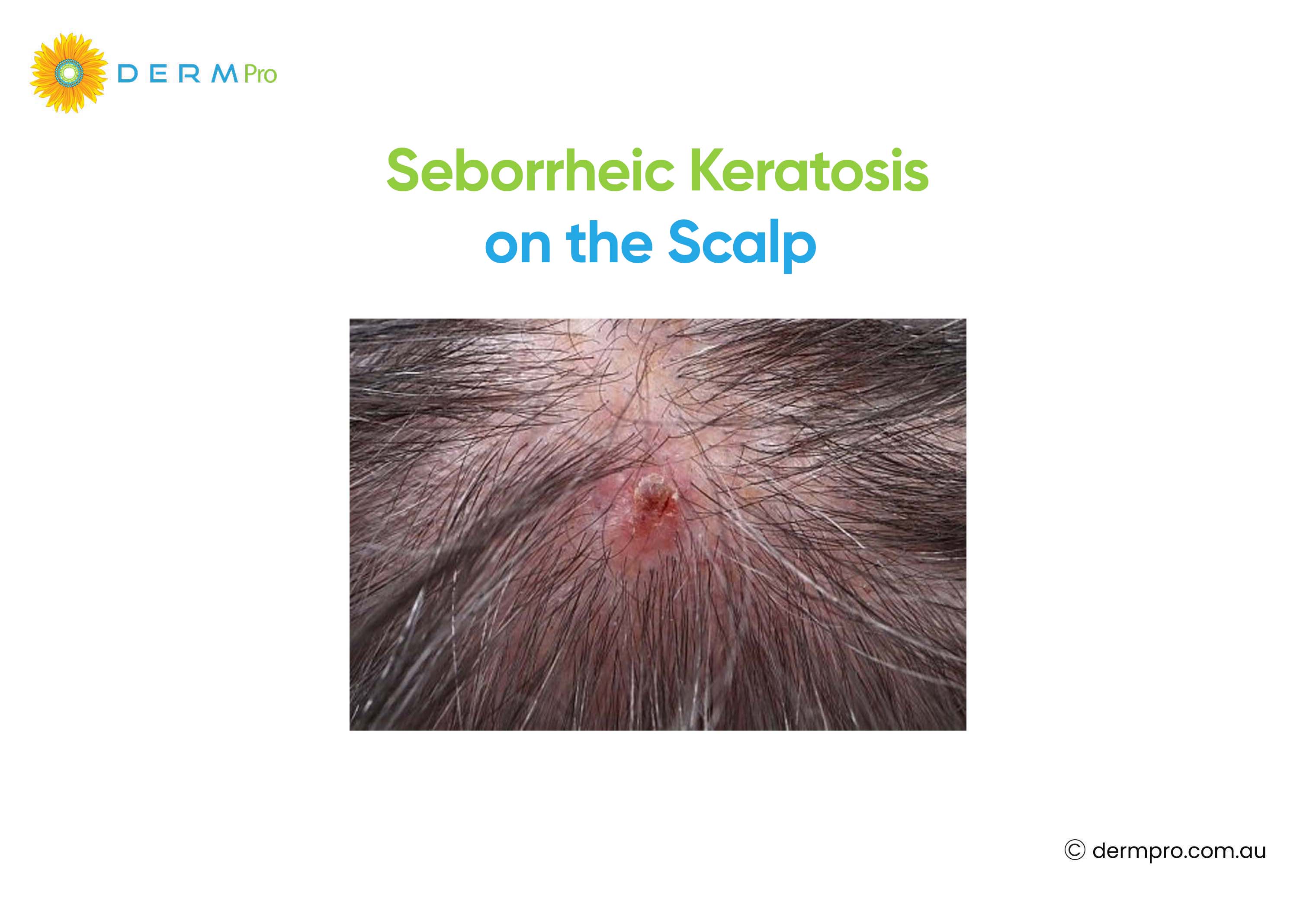
Seborrheic Keratosis on the Scalp
Seborrheic keratosis on the scalp is common. It may go unnoticed for a long time due to hair coverage. When present on the scalp, these growths may feel like small bumps or thick crusted patches. They can sometimes be confused with seborrheic dermatitis or scalp psoriasis. Seborrheic keratosis of the scalp is benign but should be evaluated if it bleeds, changes rapidly, or becomes painful.
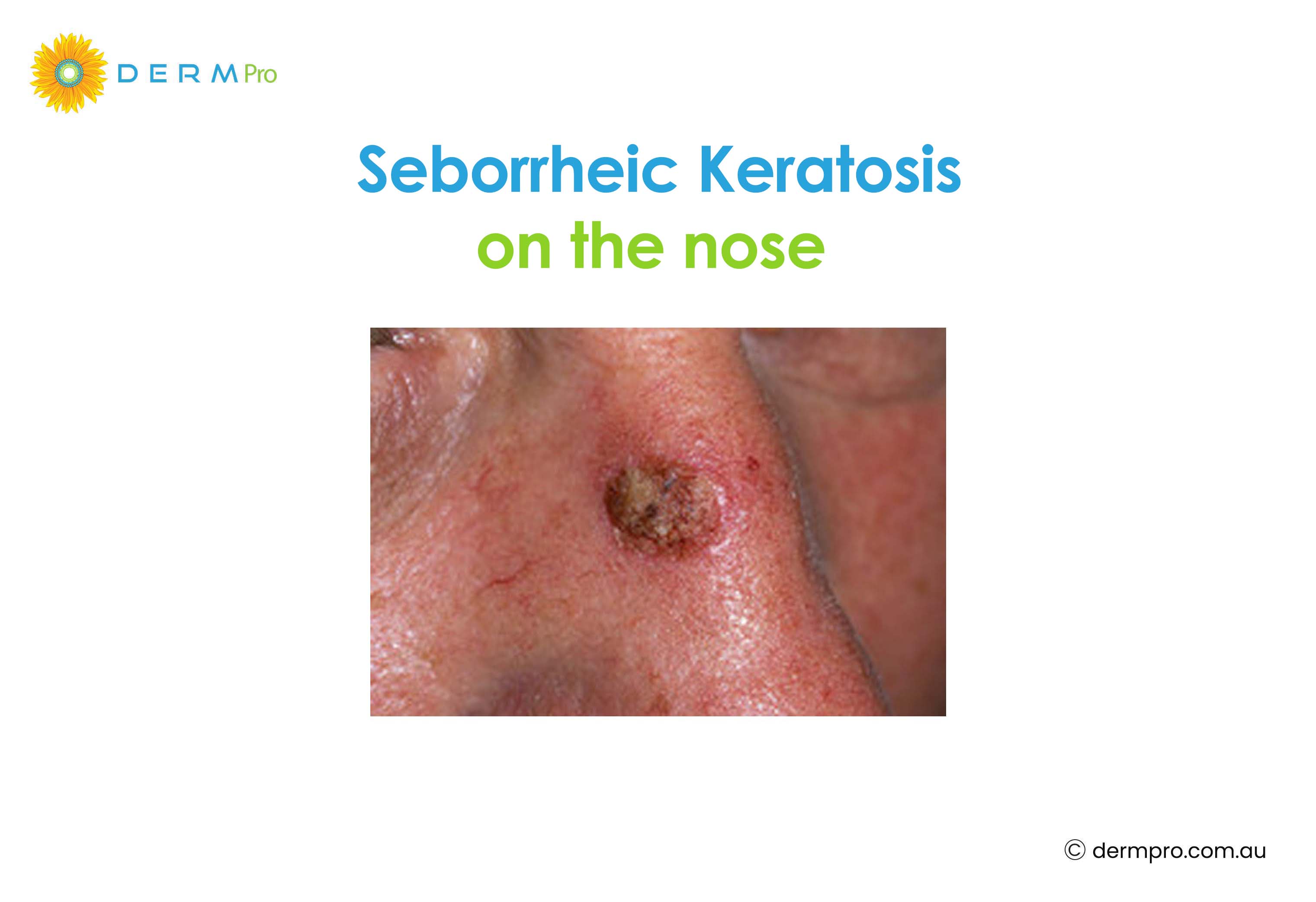
Seborrheic Keratosis on the Nose
Seborrheic keratosis on the nose or facial area can be cosmetically concerning due to its visible location. Growths on or near the nose often appear as raised, pigmented spots and may be more prone to irritation from glasses or physical contact. Because the nose area receives significant sun exposure, it is important to distinguish these lesions from actinic keratosis or skin cancer, both of which can appear in similar locations.
Seborrheic Keratosis on the Nose Image
Do Seborrheic Keratoses Bleed?
Do seborrheic keratoses bleed?
Yes, they can, but it is not a routine occurrence. Bleeding is typically triggered by scratching, rubbing, picking at the growth, or trauma in high-friction areas. Occasional minor bleeding from irritation is usually not dangerous. However, if a lesion bleeds spontaneously, bleeds repeatedly, or bleeds without an obvious cause, this requires immediate medical attention. Because it may indicate a different or more serious condition.
What Causes Seborrheic Keratosis?
Despite being one of the most studied benign skin conditions, the exact answer to what causes a seborrheic keratosis is not fully understood. Research suggests a combination of genetic, age-related, and environmental factors:
- Age is the most significant risk factor. Seborrheic keratoses rarely appear before age 40 and become increasingly common as people get older.
- Genetics, such as a family history of these growths, strongly increases the likelihood of developing them. They tend to run in families.
- Sun exposure means chronic exposure to UV rays may play a role in triggering growths, particularly on sun-exposed areas of the skin.
- Hormonal changes, as some studies suggest, a possible link between pregnancy, estrogen, and the appearance of multiple new seborrheic keratoses.
- Skin friction happens in areas where clothing repeatedly rubs against skin, which may be more prone to developing growths.
- Mutation in the FGFR3 gene. Recent genetic research has identified mutations in this gene in many seborrheic keratoses, suggesting a molecular basis.
Note: Seborrheic keratosis is not caused by bacteria, viruses, or poor hygiene. It is not contagious.
Seborrheic Keratosis vs. Other Skin Conditions
Because seborrheic keratosis can resemble other skin conditions, some of which are serious, it is essential to understand the key differences.
Comparison Table of Seborrheic Keratosis, Melanoma and Actinic Keratosis
|
Feature |
Seborrheic Keratosis |
Melanoma |
Actinic Keratosis |
|
Nature |
Benign (non-cancerous) |
Malignant (skin cancer) |
Pre-cancerous |
|
Appearance |
Waxy, "stuck on," uniform colour |
Irregular borders, multiple colours |
Scaly, rough, dry patch |
|
Bleeding |
Only if irritated/scratched |
May bleed spontaneously |
May bleed; crusts over |
|
Age group |
40+, older adults |
Any age |
Older adults with sun-damaged skin |
|
Treatment |
Optional; cosmetic removal available |
Required: surgery, immunotherapy |
Required; prevents skin cancer |
|
Sun exposure |
Possible contributing factor |
Major risk factor |
Primary cause |
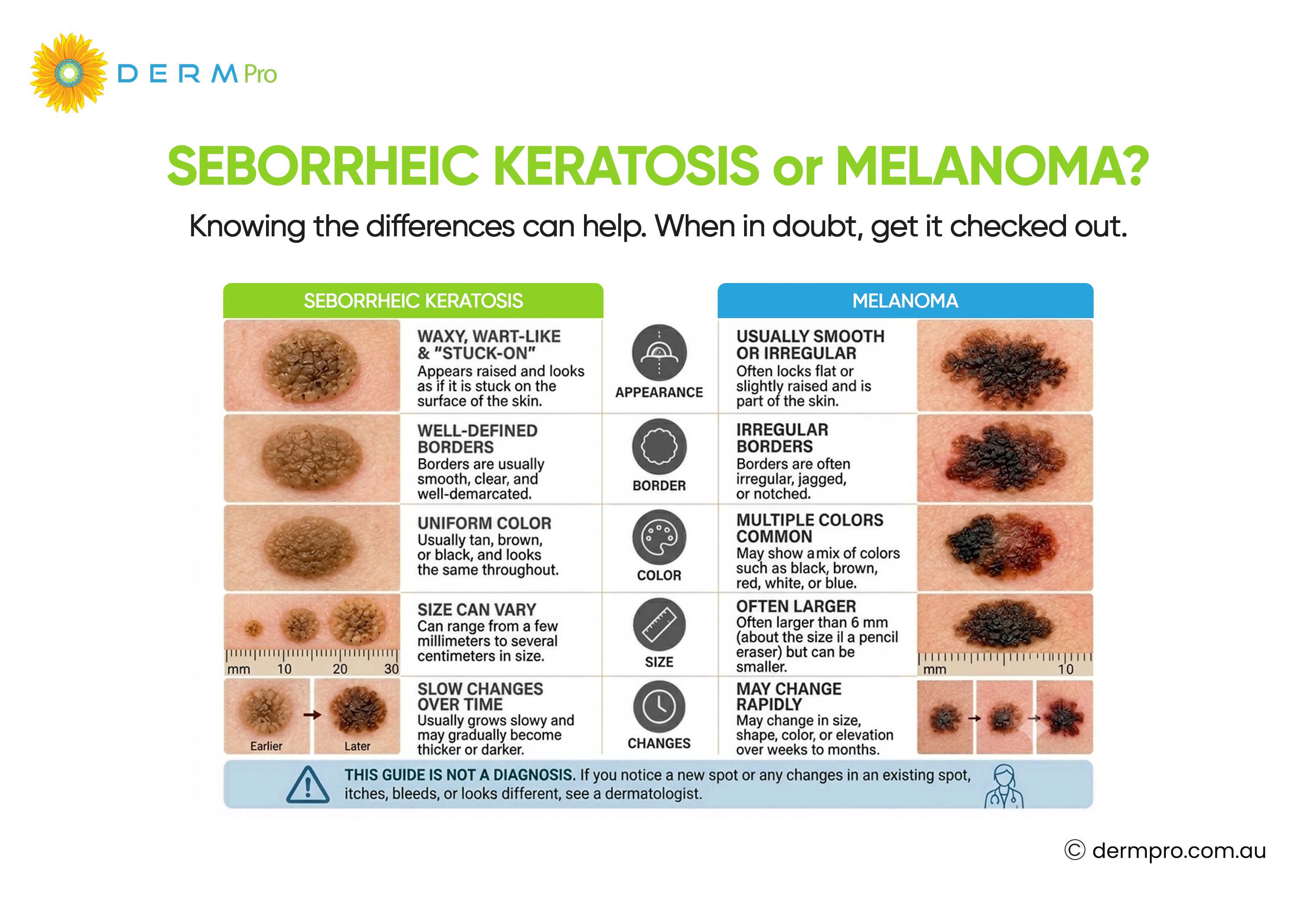
Seborrheic Keratosis or Melanoma?
The question of seborrheic keratosis or melanoma is one of the most important distinctions in dermatology. Both can appear as dark, raised skin lesions, but the key differences lie in the ABCDEs of skin cancer: Asymmetry, Border irregularity, Colour variation, Diameter, and Evolution (change over time).
A seborrheic keratosis typically has a uniform, "stuck-on" appearance with a consistent colour, while melanoma tends to have uneven borders, multiple colours, and changes in size or shape over weeks or months. When in doubt, always consult a dermatologist.
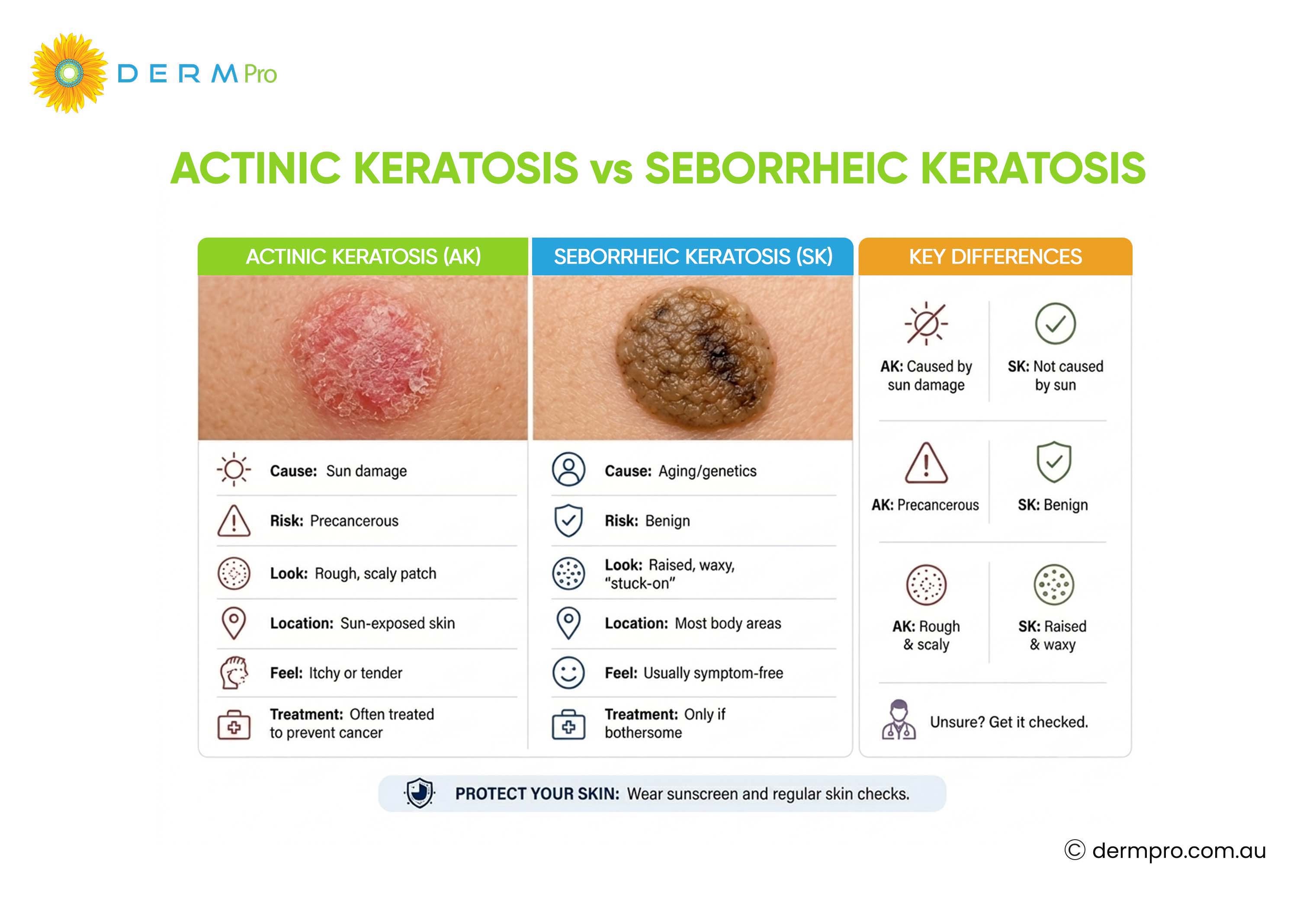
Actinic Keratosis vs. Seborrheic Keratosis
Comparing actinic keratosis vs seborrheic keratosis, actinic keratosis is a pre-cancerous lesion caused by long-term UV damage, while seborrheic keratosis is completely benign. Actinic keratoses feel rough like sandpaper. They are usually smaller and appear on chronically sun-damaged skin. They may become squamous cell carcinoma if untreated. Seborrheic keratoses, by contrast, have a waxier, more raised appearance and carry no cancer risk.
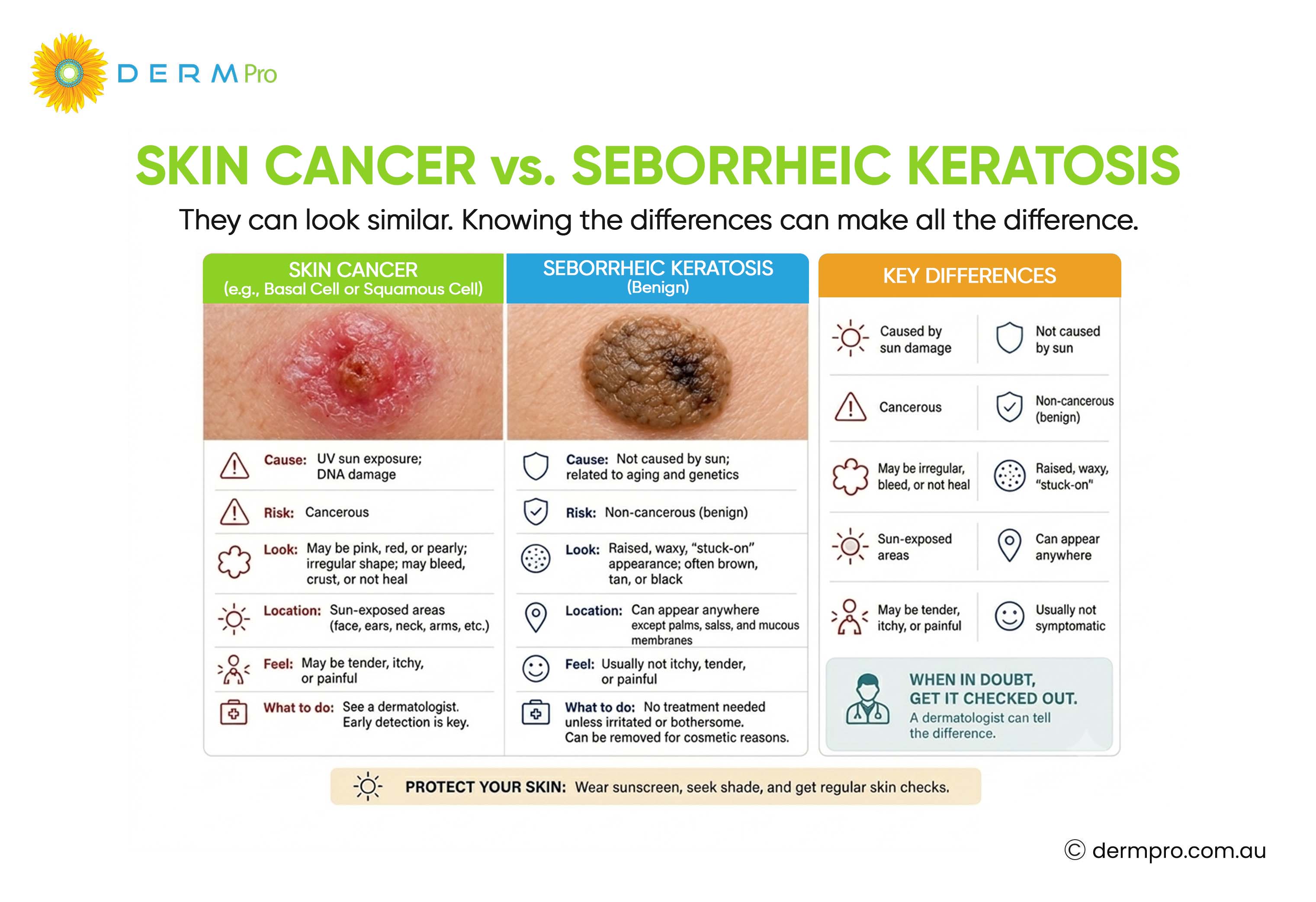
Skin Cancer vs. Seborrheic Keratosis
In the broader comparison of skin cancer vs seborrheic keratosis, it is worth noting that seborrheic keratosis does not become cancerous. However, in rare cases, skin cancers can grow within or adjacent to a seborrheic keratosis, making it appear to change character. This is why any lesion that changes, bleeds unexpectedly, or looks unusual should be evaluated professionally.
Diagnosis and Medical Evaluation
Most seborrheic keratoses are diagnosed through a visual examination by a dermatologist or primary care physician. Because the appearance is quite characteristic, a biopsy is often not necessary, but it may be recommended if there is any doubt.
Diagnostic methods used by doctors:
- Visual inspection: The doctor examines the lesion's colour, texture, shape, and borders.
- Dermoscopy: A magnifying dermatoscope is used to examine surface patterns under polarised light, helping distinguish seborrheic keratosis from melanoma.
- Skin biopsy: A small tissue sample may be removed and sent to a laboratory if the lesion is atypical. This seborrheic keratosis medical procedure is the definitive way to confirm or rule out malignancy.
- The Leser-Trélat sign: The sudden appearance of many new seborrheic keratoses can, in rare cases, signal an internal malignancy and warrants thorough investigation.
Seborrheic Keratosis Treatment Options
Because seborrheic keratosis is benign, in most cases, treatment is not medically necessary. However, seborrheic keratosis treatment may be sought for cosmetic reasons or when a lesion becomes irritated or uncomfortable. Several safe and effective options are available to learn how to get rid of seborrheic keratosis.
Cryotherapy (Liquid Nitrogen)
One of the most common methods of seborrheic keratosis removal. A doctor applies liquid nitrogen to freeze the growth, causing it to blister and fall off within one to two weeks. It is quick, effective, and typically leaves minimal scarring.
Electrosurgery and Curettage
The doctor uses an electric current to burn off the growth, then scrapes away the residue with a curette. This method is highly effective and allows histological examination of the removed tissue if needed.
Seborrheic Keratosis Laser Treatment
Seborrheic keratosis laser treatment uses focused light energy, typically ablative CO2 or erbium lasers, to vaporise the growth with precision. It is especially useful for multiple or facial lesions where the cosmetic outcome is important. Results are generally excellent, with minimal downtime and a low recurrence rate.
Topical Prescription Treatment
A 40% hydrogen peroxide solution (Eskata) was previously FDA-approved, but it is no longer commercially available. It is applied in a clinical setting and is not available over the counter.
Shave Excision
For prominent or stalk-like lesions, a doctor may shave off the growth at its base under local anesthesia.
Home and Natural Remedies for Seborrheic Keratosis Treatment
Many people search for seborrheic keratosis home remedies and seborrheic keratosis natural treatment options. While this is understandable, it is critical to approach this topic with caution.
Important Warning: None of the home remedies listed below is clinically proven to safely remove seborrheic keratoses. Many can cause skin irritation, scarring, infection, or chemical burns. They should never replace professional diagnosis and treatment.
Here are common natural cures for seborrheic keratosis (anecdotal only):
- Apple cider vinegar: Some apply diluted ACV directly to lesions. No scientific evidence supports this, and ACV can cause chemical burns on sensitive skin.
- Tea tree oil: Used as a topical antiseptic; anecdotal reports claim size reduction. However, it is not medically proven.
- Castor oil: Promoted in folk medicine as a skin treatment. But no clinical evidence supports its use for seborrheic keratosis.
- Vitamin D cream or retinoids: Some online sources suggest these may help. Evidence for OTC versions is lacking.
- Hydrogen peroxide (OTC): Lower-concentration OTC versions (1–3%) are very different from the FDA-approved 40% professional formulation and are not safe or effective for home use.
Always consult a dermatologist for safe and proven removal. Clinical procedures are fast, minimally invasive, and produce far better results.
How to get rid of seborrheic warts through home methods? The answer is simple: professional removal is always safer and more reliable than home remedies.
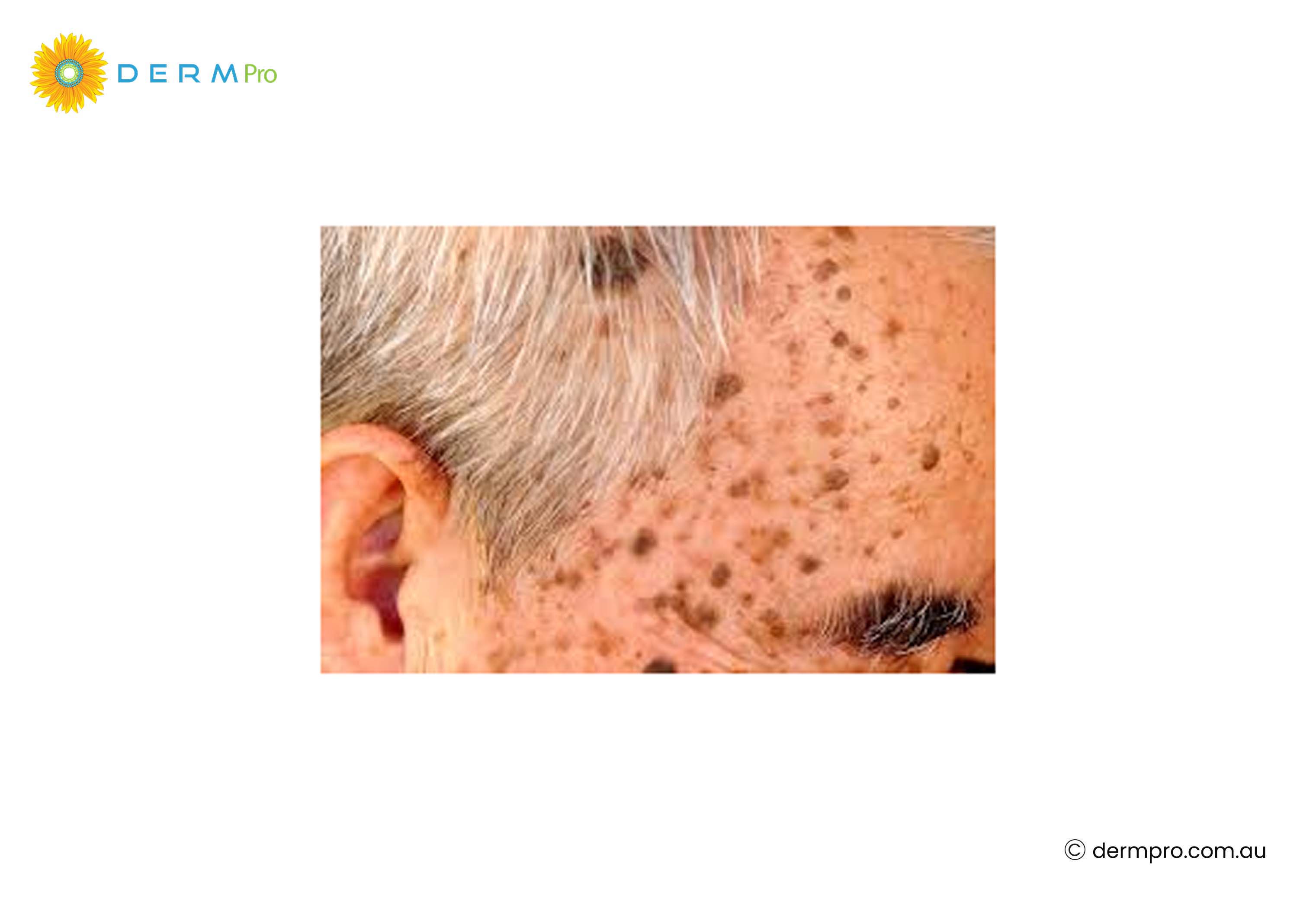
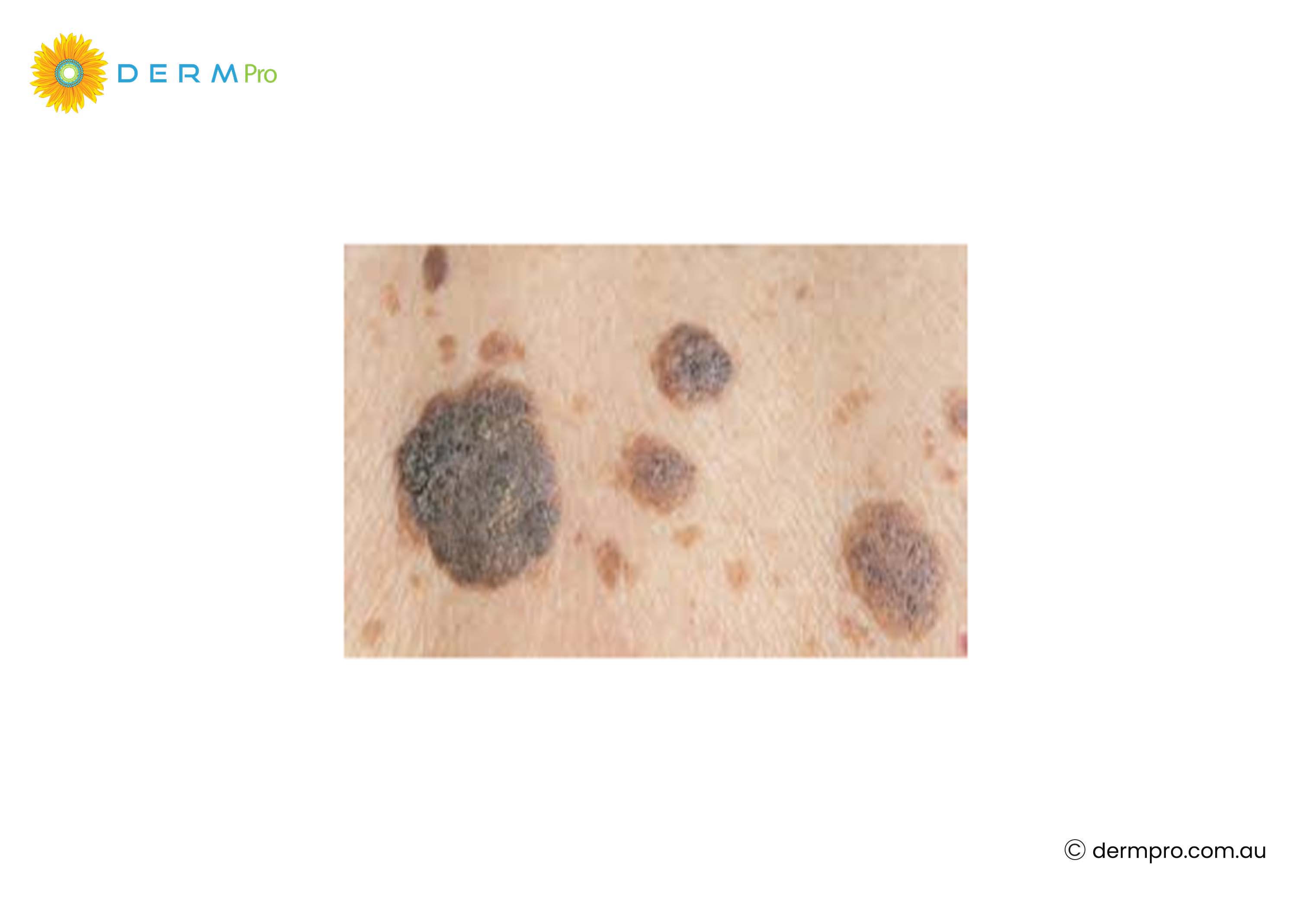
What Do Seborrheic Keratoses Look Like?
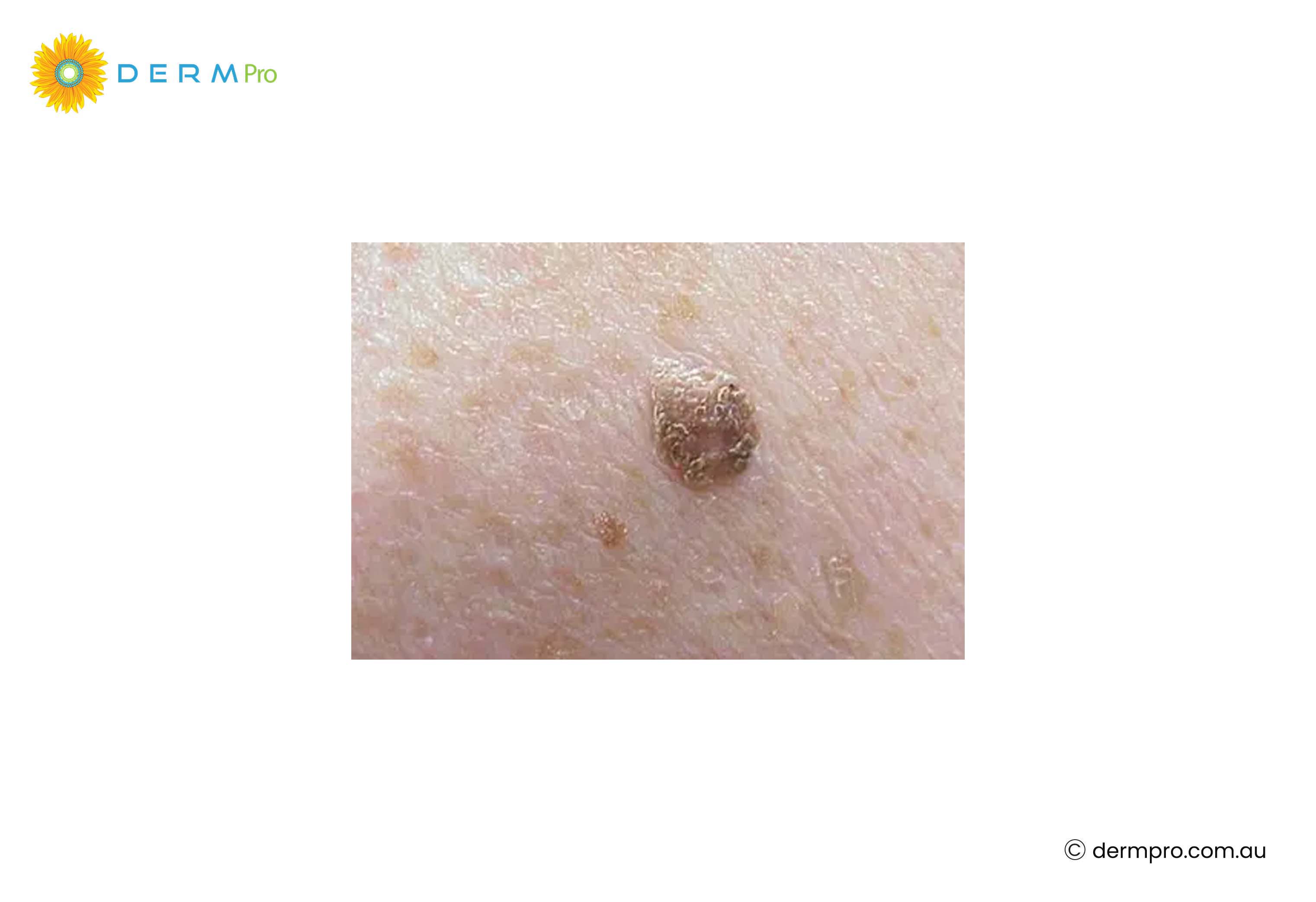
If you are searching for seborrheic keratoses images or images of seborrheic keratoses to compare with a growth on your skin, here is what to look for:
- Colour range: From pale tan to dark brown or even black. The same person may have multiple lesions of different shades.
- Texture: Warty, bumpy, or greasy-looking, sometimes with a rough, crumbly texture that appears to flake slightly.
- Shape: Oval or round with crisp, well-defined edges, unlike the irregular borders of melanoma.
- The "stuck-on" appearance: The hallmark sign. The growth looks placed on top of the skin rather than growing out of it.
- Horn cysts: Tiny white or yellowish cysts visible under magnification characteristic of seborrheic keratosis.
- Surface fissures: Small cracks or grooves giving a "brain-like" or "cobblestone" appearance.
seborrheic keratoses images or images of seborrheic keratoses
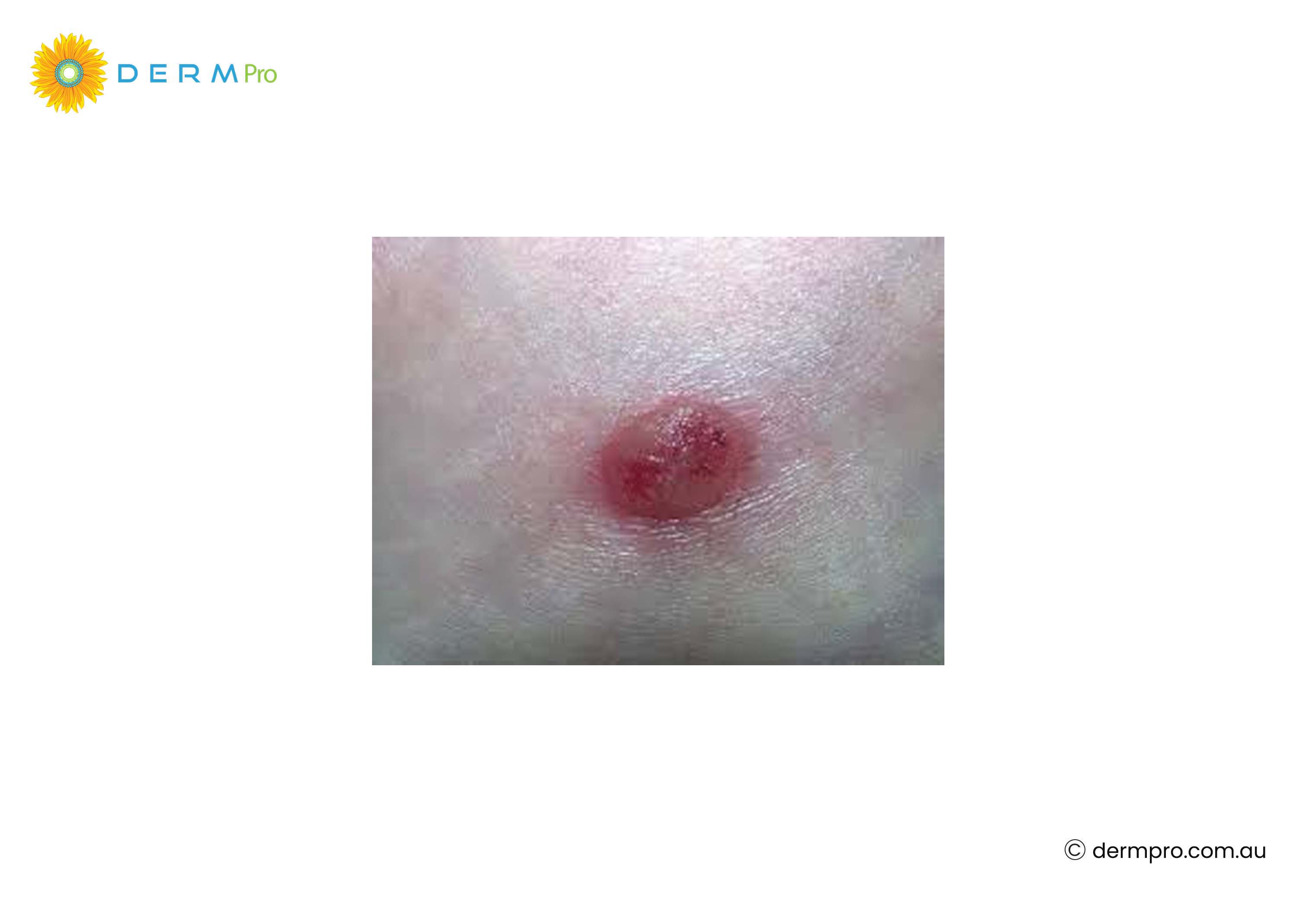
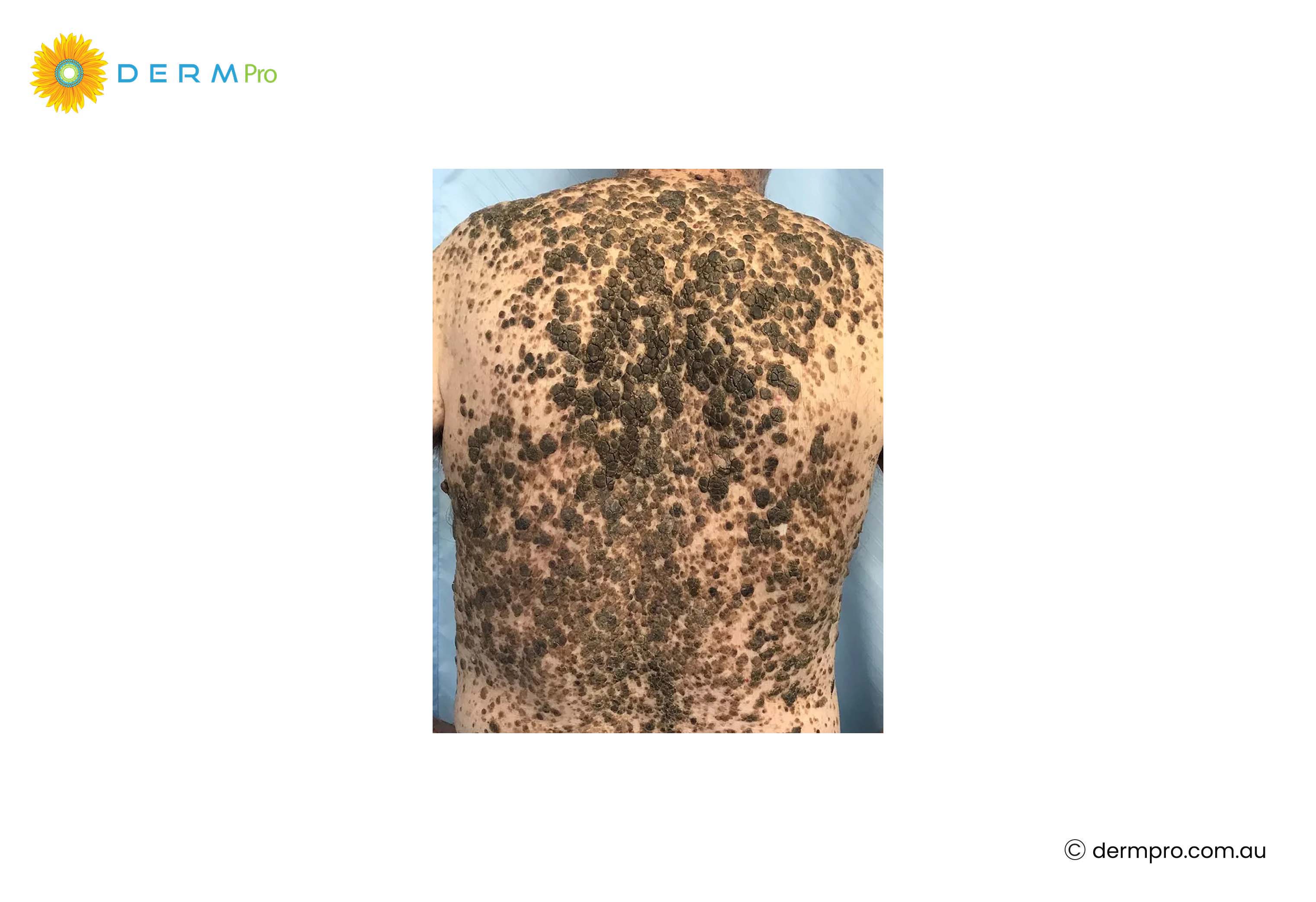
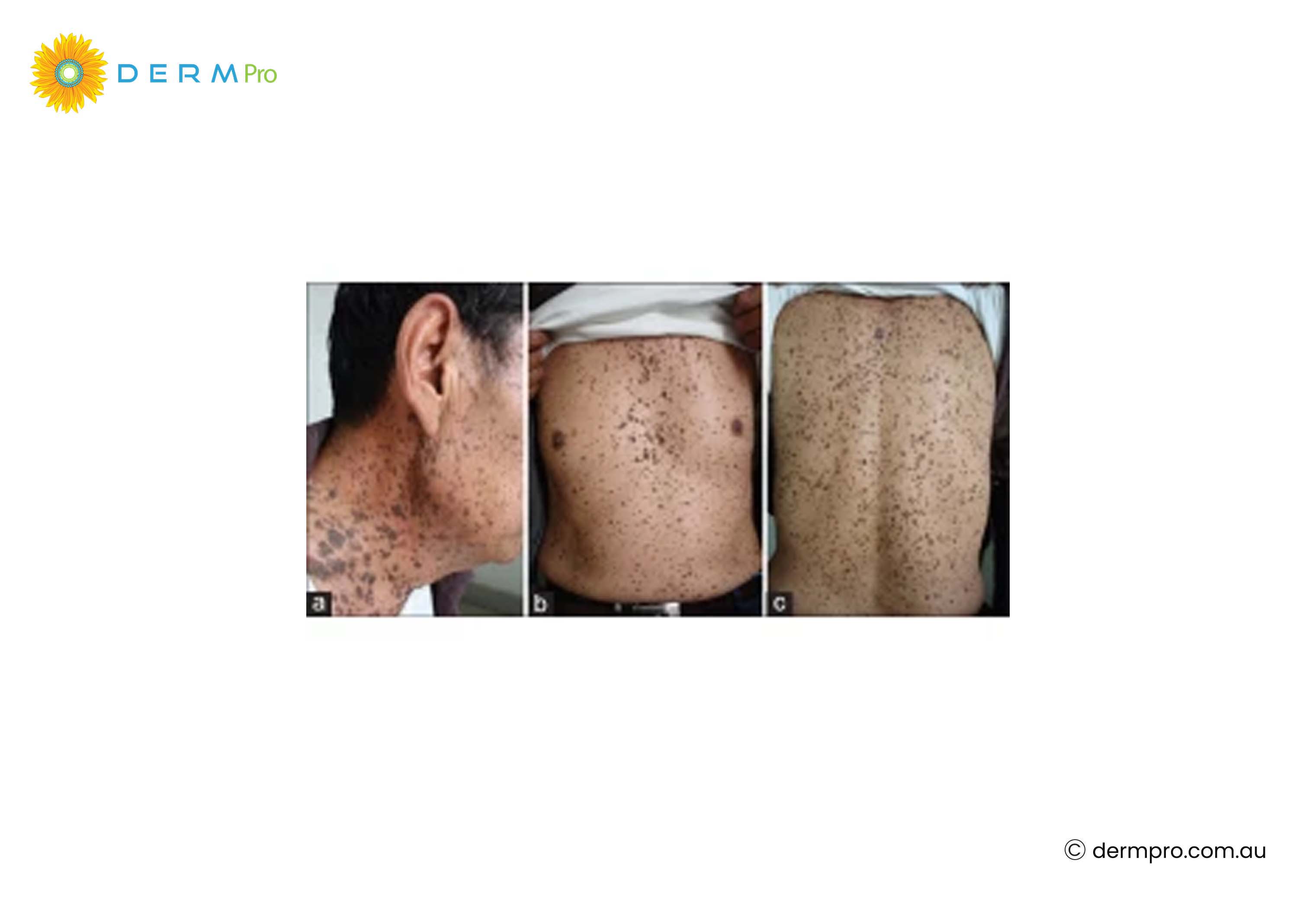
Leser-Trélat syndrome
Risks and When to See a Doctor?
While seborrheic keratosis is benign, certain situations require prompt medical attention. See a doctor if:
- The lesion changes rapidly in size, shape, or colour over a few weeks
- It bleeds without obvious cause (not just from scratching)
- It has an irregular, asymmetrical shape with multiple colours
- It is painful, not just itchy
- You are uncertain whether the growth is seborrheic keratosis or something else
- Multiple new lesions appear suddenly in a short period (possible Leser-Trélat syndrome)
- The surrounding area becomes red, hot, swollen, or infected
- You are immunocompromised or have a personal or family history of skin cancer
The golden rule: whenever you are in doubt, have it checked.
Frequently Asked Questions
What is seborrhoeic keratosis?
Seborrhoeic keratosis is a common and benign skin growth that appears as a raised, waxy and look like a wart on the skin surface. It originates from the outer layer of skin cells and is most commonly seen in adults over 40. It is non-cancerous and not contagious.
Is seborrheic keratosis cancer?
No. Seborrheic keratosis is not cancer. It is a completely benign growth that does not spread to other parts of the body and does not require treatment unless it causes discomfort or cosmetic concern.
Can seborrheic keratosis turn into melanoma?
No, seborrheic keratosis does not turn into melanoma. However, in rare cases, a melanoma can develop coincidentally near or within a seborrheic keratosis, causing the lesion to change appearance. Any noticeable change, new bleeding, colour shifts, or irregular borders should be examined by a dermatologist.
Why do seborrheic keratoses appear suddenly?
In most cases, sudden appearance is simply related to aging or genetic predisposition. However, a rare condition known as the sign of Leser-Trélat, the sudden eruption of multiple seborrheic keratoses, has been associated with internal malignancies. The association between the sign of Leser-Trélat and internal malignancy remains controversial, although sudden eruptions of multiple lesions need medical evaluation.
How do I remove seborrheic keratosis safely?
The safest way is through a clinical procedure performed by a dermatologist, such as cryotherapy, electrosurgery, laser treatment, shave excision, or prescription topical hydrogen peroxide. Attempting home removal using acids, sharp instruments, or unproven remedies can lead to infection, scarring, or complications.
Is seborrheic keratosis contagious?
No. Seborrheic keratosis is not contagious. It is not caused by a virus or bacteria and cannot be spread from person to person through any form of contact.
Medical Disclaimer: This content is for informational purposes only and does not replace professional medical advice. Always consult a qualified dermatologist or healthcare professional before making any decisions about diagnosis or treatment of skin conditions.
References:
American Academy of Dermatology (AAD) – Seborrheic Keratoses: Overview
Mayo Clinic – Seborrheic Keratosis
DermNet NZ – Seborrhoeic Keratosis
StatPearls (NCBI Bookshelf) – Seborrheic Keratosis
Cleveland Clinic – Seborrheic Keratosis
British Association of Dermatologists (BAD) – Seborrhoeic Keratosis
Was this article helpful?
Your feedback helps us create better content for everyone.