Cryotherapy for Skin Lesions: Benefits, Procedure & Aftercare

Cryotherapy is one of the most effective and popular approaches dermatologists recommend for removing unwanted warts, skin tags, and unusual spots on your skin. This minimally invasive quick procedure uses extreme cold to remove benign skin lesions and treat certain skin conditions.
What Is Cryotherapy?
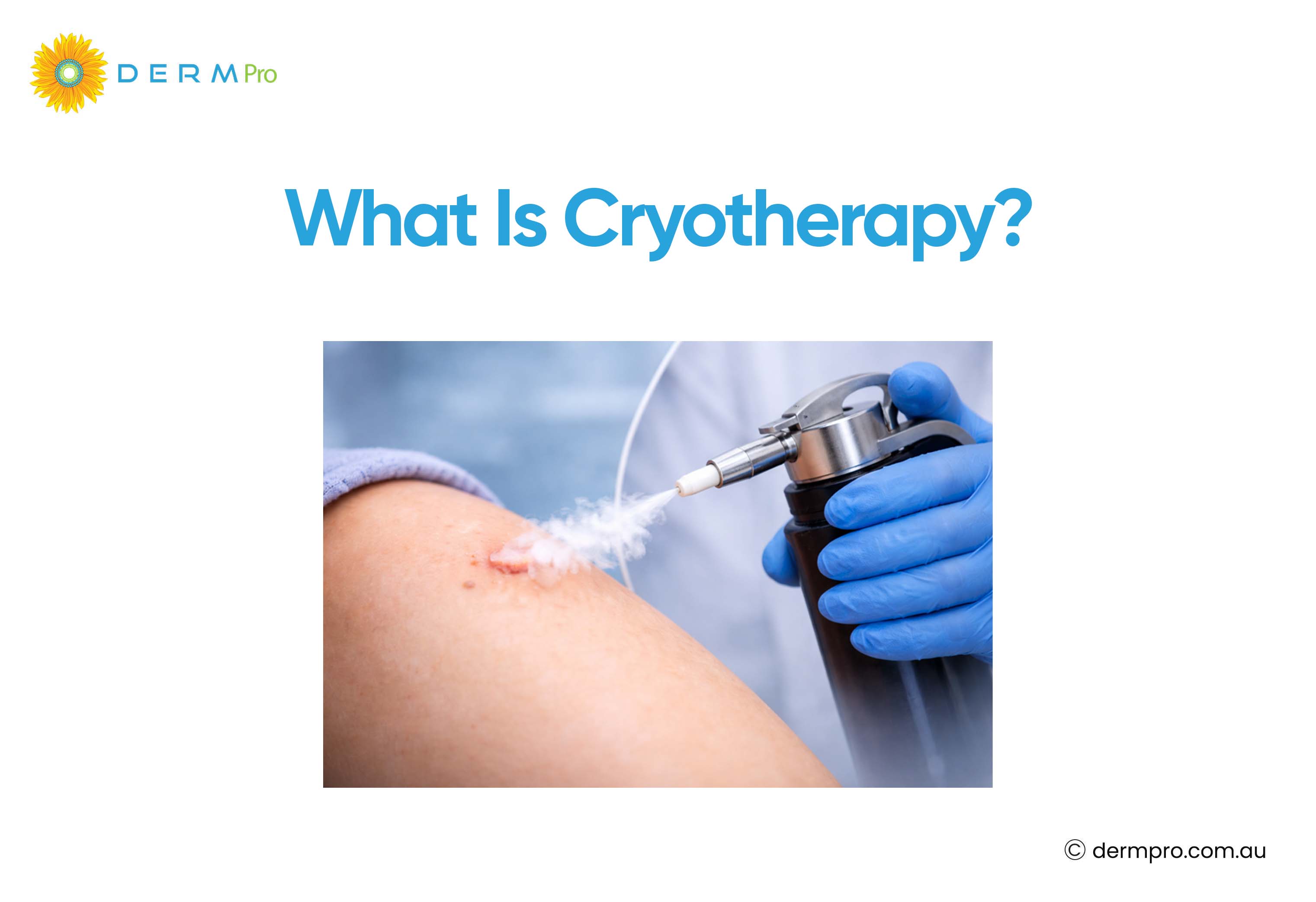
Cryotherapy is a dermatological procedure that uses extreme cold, specifically liquid nitrogen, to freeze and destroy unwanted skin lesions and abnormal tissue. The term itself comes from "cryo" (meaning cold) and "therapy" (meaning treatment).
How Liquid Nitrogen Therapy Works?
Liquid nitrogen is a colourless and odourless substance that exists at temperatures around -196°C (-321°F or 77 K).
It causes rapid freezing of the targeted tissue when applied directly to the skin. This extreme cold damages the cell structure of the lesion, causing it to die and eventually shed away as the skin heals.
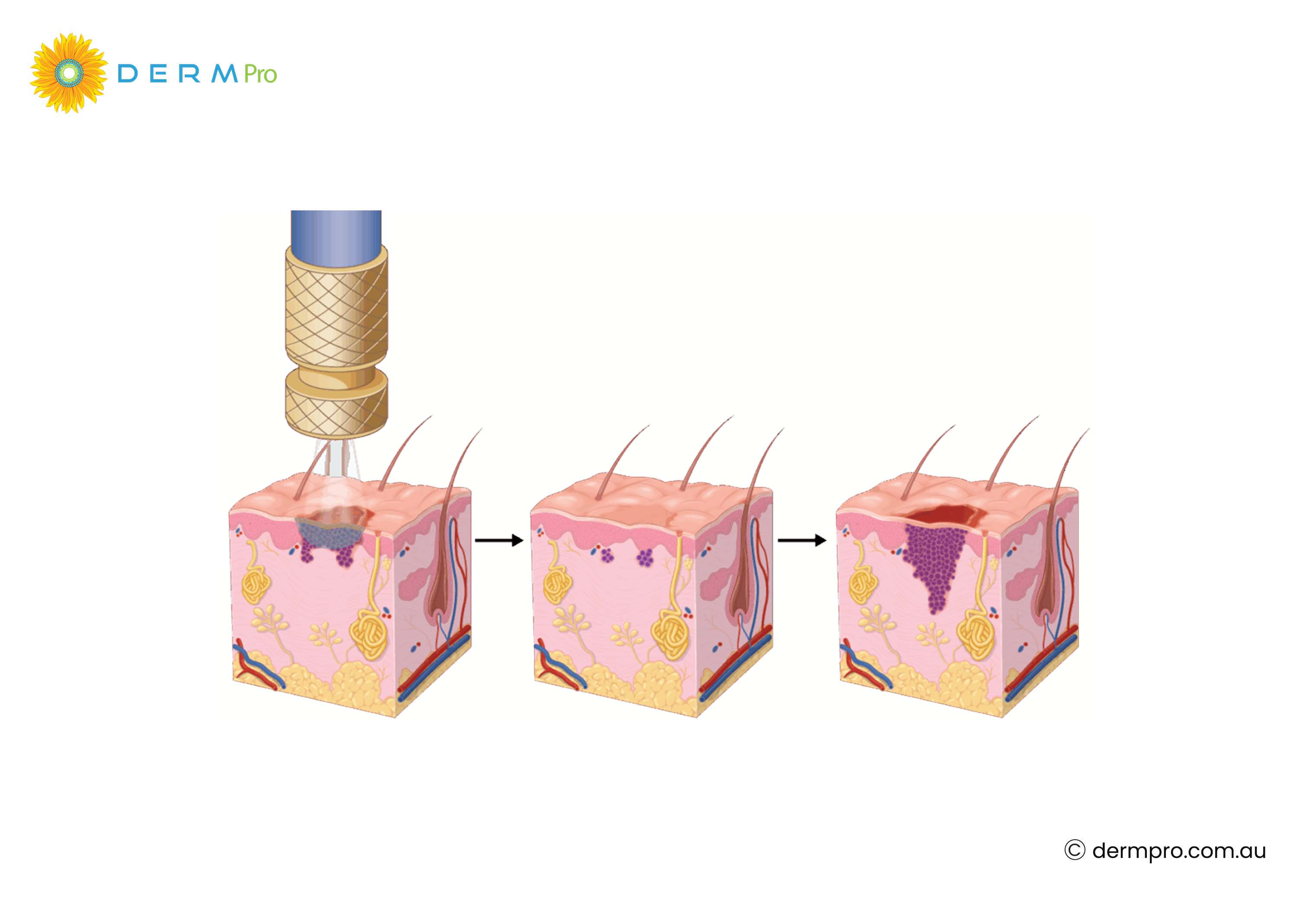
The freezing process operates on a simple principle:
Ice crystals form within the cells of the lesion, disrupting their normal function. When these crystals melt during the thawing cycle, they rupture cell membranes, effectively destroying the tissue. The body naturally removes the dead tissue as part of the healing process.
What Does Liquid Nitrogen Do to Skin?
When liquid nitrogen is applied to skin, several things happen in quick succession:
- Immediate cooling: The extreme cold creates an intense burning or stinging sensation as the tissue freezes
- Whitening: The treated area turns white or pale as ice crystals form
- Cell destruction: Intracellular freezing damages the abnormal cells
- Inflammation response: Your body initiates a healing response to remove the dead tissue
Cryotherapy destroys tissue by controlled freezing, affecting both abnormal cells and a small margin of surrounding tissue.
Use of Liquid Nitrogen to Freeze Abnormal Tissue
Dermatologists use controlled application of liquid nitrogen to create what's called a "freeze-thaw cycle." This typically involves:
- A brief initial freeze (usually 10-30 seconds)
- A thaw period allowing the tissue to return to normal temperature
- Often, a second freeze is used to ensure the destruction of the lesion
This precision application is what makes cryotherapy so effective. Your dermatologist controls exactly how long the tissue remains frozen and can tailor the treatment to the specific lesion.
Difference between Cryotherapy and Cryosurgery
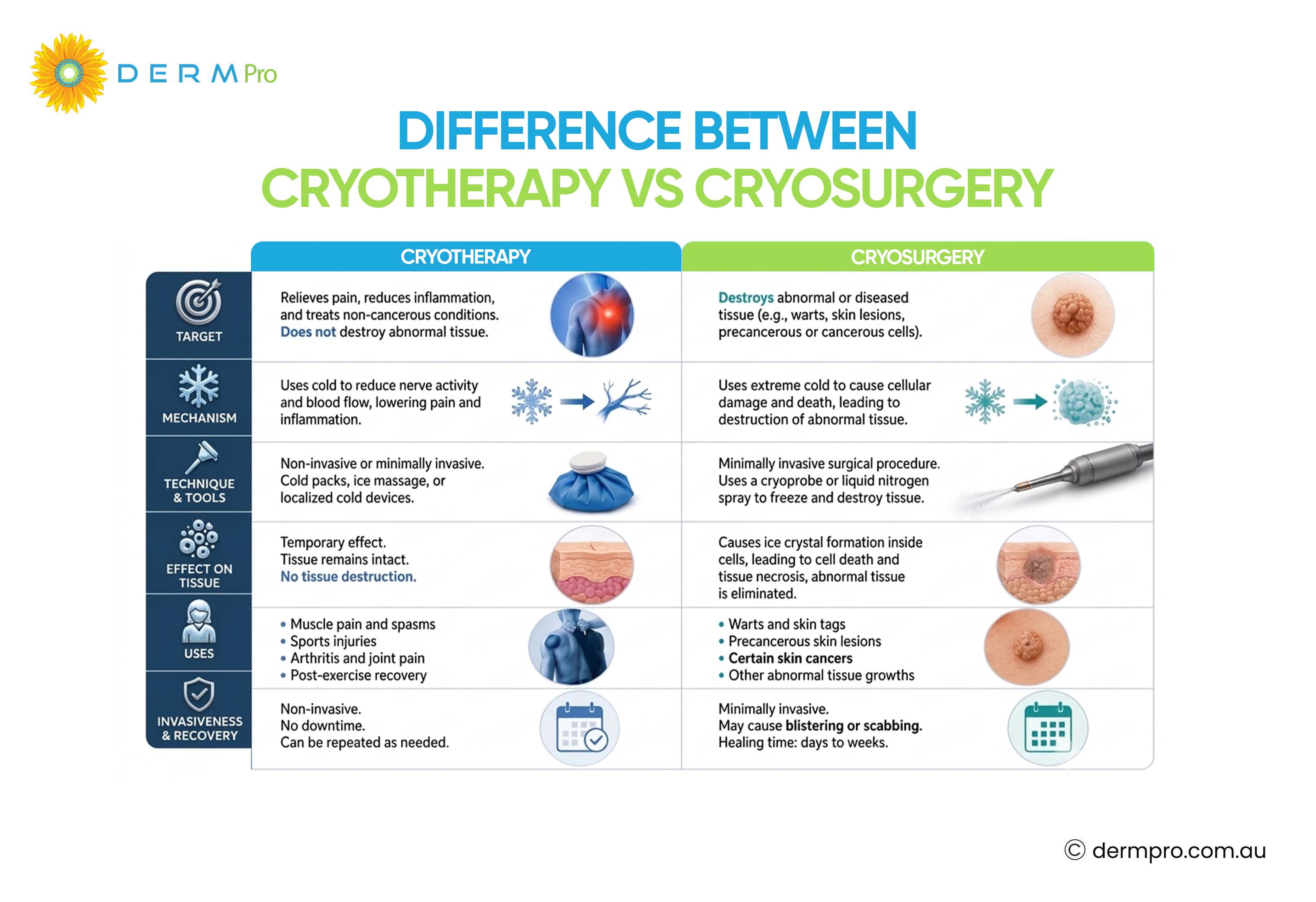
Cryotherapy refers to the general use of cold for therapeutic purposes. However, Cryosurgery is the surgical application of extreme cold to remove tissue. In practical terms, when your dermatologist treats a skin lesion with liquid nitrogen, they're performing cryosurgery, a form of cryotherapy.
Is Liquid Hydrogen Used in Medical Cryosurgery?
Many people mistakenly believe cryosurgery uses liquid hydrogen. This is not the case. Medical professionals exclusively use liquid nitrogen, not liquid hydrogen.
Liquid hydrogen is far too dangerous for clinical use. It is flammable and highly unstable. Liquid nitrogen, by contrast, is inert and safe for controlled medical application, making it the standard for all dermatological cryotherapy procedures worldwide.
Which Skin Lesions Can Be Treated with Cryotherapy?
The advantages of cryotherapy are many. It can treat a wide variety of benign skin lesions and certain skin conditions. Here's what typically responds well to cryotherapy:
Cryotherapy and Warts
Warts are among the most common reasons people seek cryotherapy. These growths are caused by the human papillomavirus (HPV) and can be stubborn to treat.
Common Warts
These typically appear on the hands and fingers and respond very well to cryotherapy. Most people need one to three sessions, spaced several weeks apart, to eliminate them.
Plantar Warts
These painful warts develop on the soles of the feet and can be particularly challenging to treat due to the thickness of the skin in that area. Cryotherapy is effective, though plantar warts often require multiple sessions and may take several months to resolve completely.
Cryotherapy for Skin Tag Removal
Skin tags are small and benign growths that commonly appear on the neck, underarms, groin, and other areas where skin folds. They're harmless but can be cosmetically bothersome or cause irritation if they rub against clothing.
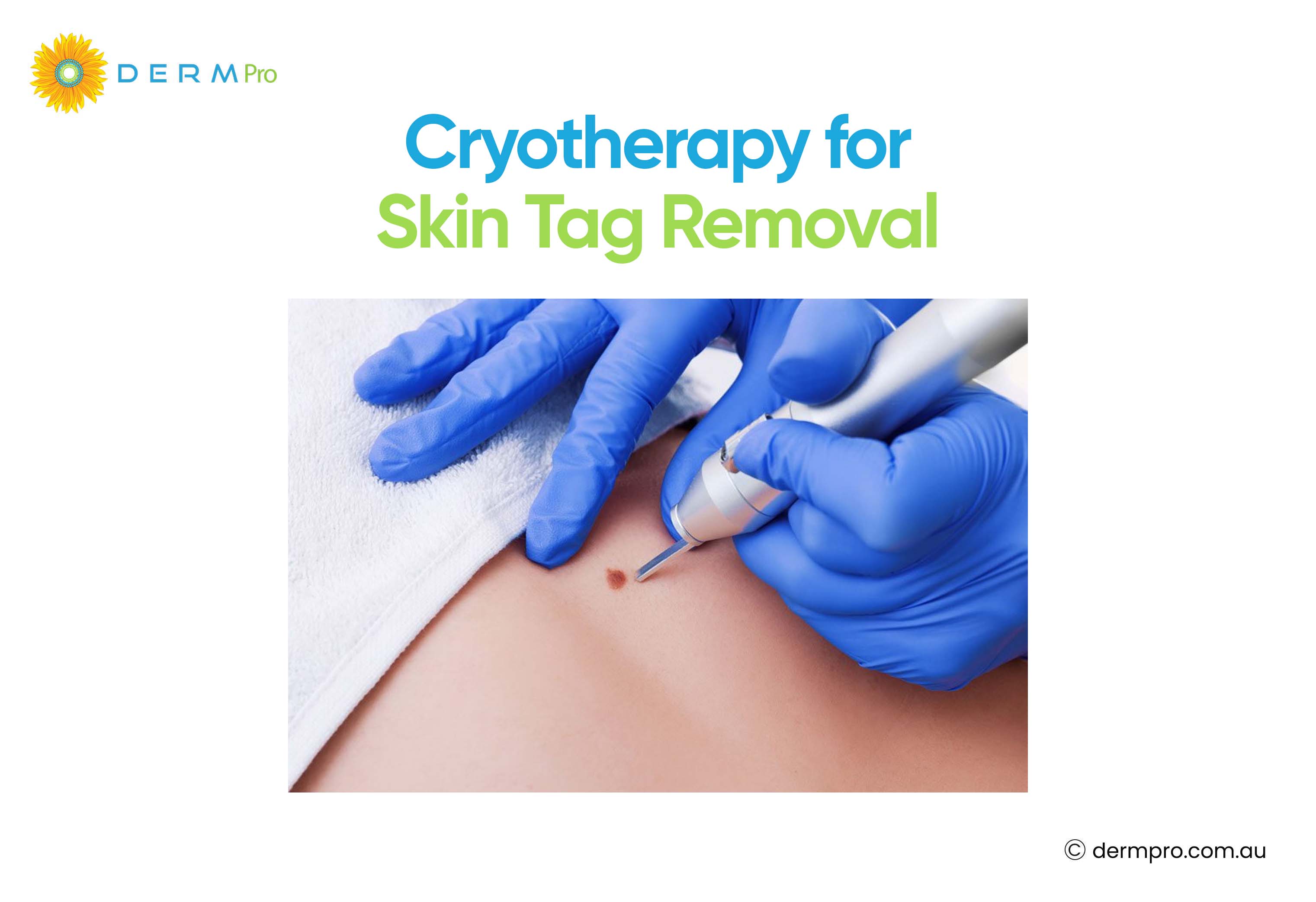
Cryogenic skin tag treatment is ideal because skin tags are superficial lesions that respond rapidly to freezing. Most skin tags fall off within one to two weeks after a single treatment session. This makes cryotherapy a popular choice for patients wanting quick, painless removal without surgical incisions.
Cryotherapy for Moles
Not all moles are appropriate for cryotherapy. If you have a mole you'd like removed, it's crucial to have it evaluated by a dermatologist first. Your doctor needs to assess whether the mole is truly benign or whether it requires biopsy to rule out melanoma or other skin cancers.
When moles should be medically assessed before removal?
Any new mole, changing in size, shape, or colour, asymmetrical, has irregular borders, or is darker than others should be evaluated before treatment. Dermatologists may recommend biopsy rather than cryotherapy if there's any concern about malignancy.
Actinic Keratoses
Also called solar keratoses, these rough, scaly patches develop from chronic sun exposure and are considered precancerous. Cryotherapy is an excellent treatment option for actinic keratoses, effectively destroying the abnormal cells before they progress to skin cancer.
Seborrheic Keratoses
These common, benign skin growths are usually brown, black, or tan and often appear to be stuck on the skin. They're harmless but can be itchy or cosmetically concerning. Cryotherapy works well for seborrheic keratoses, though multiple sessions may be needed for larger lesions.
Certain Precancerous Lesions
Some precancerous skin lesions respond well to cryotherapy. However, if a dermatologist suspects malignancy or wants to confirm the diagnosis, they may recommend a biopsy first. A biopsy removes a sample of tissue for laboratory examination, ensuring an accurate diagnosis before proceeding with treatment.
Benefits of Cryotherapy
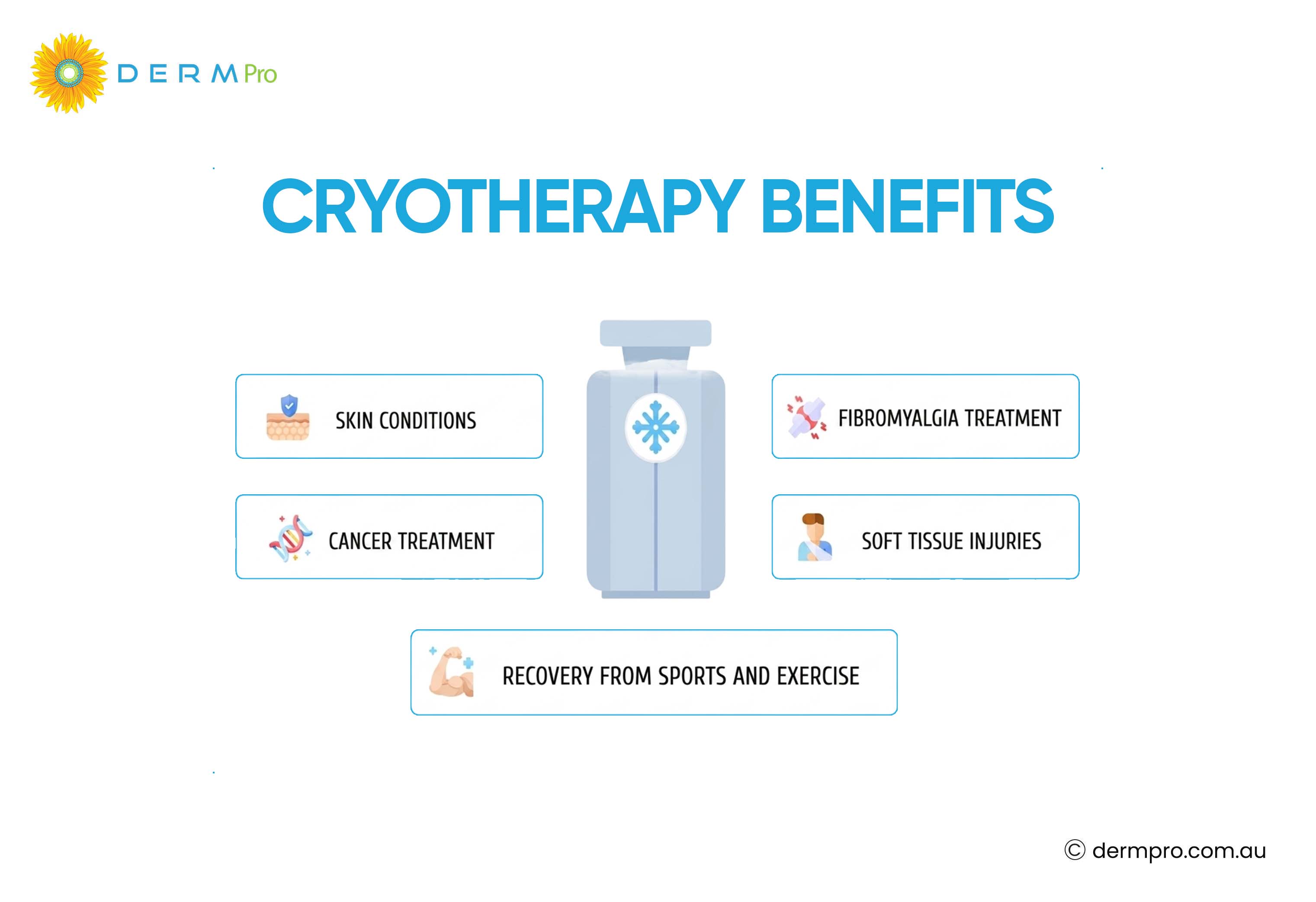
Cryotherapy has become one of the most popular dermatological treatments for good reason. Its benefits are:
Minimally Invasive Treatment
Unlike surgical excision, cryotherapy requires no incisions and doesn't break the skin barrier. This makes it ideal for patients who want to avoid surgery or have concerns about surgical scarring.
Quick Outpatient Procedure
The entire treatment takes just minutes. Most sessions last between 5 and 15 minutes, depending on how many lesions are being treated and the size of each one.
Little Downtime
This is one of the biggest advantages. After cryotherapy, you can resume normal activities almost immediately.
Cost-Effective Option
Cryotherapy is generally more affordable than surgical removal or laser treatment. Insurance may cover cryotherapy for certain medical conditions and precancerous lesions.
Reduced Need for Surgery
For many patients, cryotherapy eliminates the need for surgical procedures. This means avoiding general anesthesia, surgical recovery periods, and associated costs.
Suitable for Many Benign Lesions
Patients with several skin lesions may benefit from treating them in one cryotherapy visit. Cryotherapy is a first-line treatment for many common skin conditions.
Cryotherapy Pros and Cons
Like any medical procedure, cryotherapy has advantages and disadvantages. Here's a balanced comparison to help you make an informed decision:
|
Pros |
Cons |
|
Quick treatment (5-15 minutes) |
Temporary pain or burning sensation |
|
Minimal scarring |
Blistering may occur |
|
No stitches or sutures needed |
Temporary pigment changes (hypopigmentation or hyperpigmentation) |
|
Office procedure, no hospital stay |
Multiple sessions may be needed for some lesions |
|
Short recovery time |
Rare but possible infection if not properly cared for |
|
No general anesthesia required |
Temporary numbness in the treated area |
|
Cost-effective compared to surgery |
Not suitable for all skin lesion types |
|
Low infection risk |
Hair loss in treated areas (temporary) |
|
Can treat multiple lesions in one visit |
Scarring possible with certain skin types |
The pros significantly outweigh the cons for most patients, which is why cryotherapy remains the gold standard for treating many common skin lesions.
What is Cryotherapy Procedure?
Before the Procedure
Appointment begins with a thorough evaluation by a dermatologist.
Medical evaluation
The doctor will examine the lesion closely, ask about when it appeared, whether it's changing, and any symptoms you're experiencing. They will help decide whether cryotherapy is the right treatment for you or not.
Diagnosis confirmation
For suspicious lesions, a dermatologist may perform a biopsy before proceeding with cryotherapy to rule out skin cancer.
Photography
For lesions that are changing or that you may want to track over time, your dermatologist may photograph the area to document the baseline condition. This helps monitor healing and detect any recurrence.
Consent and discussion: Your doctor will explain the procedure, discuss expected outcomes, and review any risks specific to your situation.
During Liquid Nitrogen Treatment for Cryotherapy
The actual treatment follows a straightforward process:
- Cleaning the area. The skin around the lesion is gently cleaned with antiseptic solution to reduce infection risk.
- Applying liquid nitrogen: Your dermatologist will apply liquid nitrogen directly to the lesion using either a spray applicator, a cotton-tipped applicator dipped in the liquid, or a specialised cryo-gun device. You'll feel intense cold and a burning sensation.
- First freeze cycle: The liquid nitrogen is applied for approximately 10-30 seconds, depending on the lesion's size and depth. The treated area will turn white or pale as it freezes.
- Thaw cycle: The application stops, and the tissue is allowed to return to normal temperature. This typically takes 30-60 seconds. Mild stinging or burning may occur as the area thaws. .
- Possible repeat cycle: For stubborn or larger lesions, a dermatologist may apply a second freeze-thaw cycle to ensure complete destruction of abnormal tissue.
- Post-treatment assessment: Once the procedure is complete, the dermatologist will examine the treated area and provide aftercare instructions.
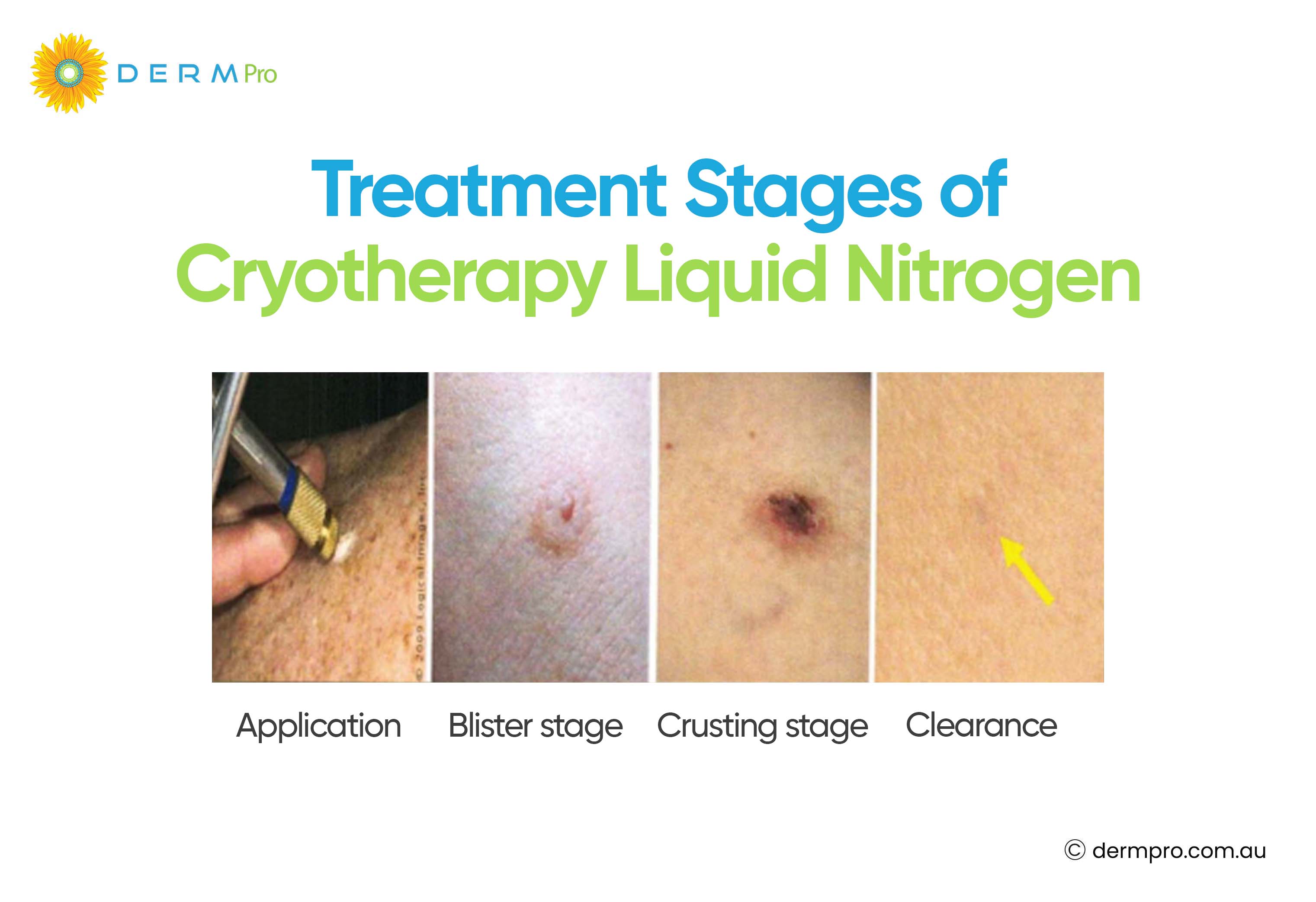
Cryotherapy Stages: What to Expect During Healing?
The healing process after cryotherapy follows predictable stages. Understanding what's normal helps patients manage expectations and recognise when something might need medical attention.
Immediate response (0-2 hours)
- The treated area appears white or very pale
- The stinging or burning sensation gradually subsides
- Mild redness develops around the edges
First 24 hours
- Redness increases
- Mild to moderate swelling develops
- Clear fluid may ooze from the area (this is normal)
Days 2-7
- Swelling peaks around day 3-4
- A blister typically forms this is a normal part of healing
- The area may feel tender or sensitive
Week 2-3
- The blister dries out and forms a scab
- Itching may develop as healing progresses
- Swelling gradually decreases
Week 3-6
- The scab falls off naturally
- Underneath, new pink or light-colored skin appears
- This new skin gradually darkens and blends with the surrounding tissue
Ongoing (weeks 6-12)
- The treated area continues to blend with the surrounding skin
- Any pigment changes gradually normalise
- Hair regrowth occurs if the lesion was in a hairy area
Most lesions require 4-8 weeks for complete healing, though very small lesions may resolve in 2-3 weeks.
Does Cryotherapy Hurt?
One of the most common questions patients ask is whether the procedure is painful. The honest answer is nuanced; the experience varies from person to person and depends on several factors.
Is Cryotherapy Painful?
During the procedure, cryotherapy does cause discomfort, but most patients describe it as tolerable. The sensation is intense but brief. You'll experience a burning or stinging feeling as the liquid nitrogen is applied, similar to touching something very cold. Some patients compare it to the feeling of a strong static shock or ice burn.
Pain duration: The intense sensation typically lasts only as long as the liquid nitrogen is being applied, usually 10-30 seconds. Once the application stops, the discomfort decreases significantly within seconds to minutes.
After the procedure, most people experience mild to moderate discomfort for the first 24-48 hours. This is usually well-controlled with over-the-counter pain relievers like acetaminophen or ibuprofen.
Factors Affecting Discomfort
Several things influence how much cryotherapy hurts:
- Lesion location: Areas with more nerve endings (face, fingers) tend to be more sensitive
- Lesion size: Larger lesions or longer treatment times may cause more discomfort
- Individual pain tolerance. Pain perception varies significantly among individuals
- Skin thickness. Thicker skin (like on the feet) feels less intense cold
- Number of freeze cycles. Second freeze cycles may feel less intense than the first
Coping Strategies
If you're concerned about pain, discuss this with your dermatologist beforehand. Some strategies that help:
- Numbing cream. Topical anesthetics applied 30-60 minutes before treatment can reduce discomfort
- Local anesthetic injection: For sensitive areas or anxious patients, your dermatologist can inject a small amount of local anesthetic
- Deep breathing. Controlled breathing during the procedure helps manage pain perception
- Distraction: Focusing on something else during treatment can reduce awareness of discomfort
Cryotherapy Risks and Side Effects
As with any medical procedure, cryotherapy carries some risks, though serious complications are rare when performed by qualified dermatologists.
Common Side Effects
- Pain and discomfort
- Redness and swelling
- Blistering
- Temporary numbness
Less Common Side Effects
- Scarring
- Pigment changes
- Hair loss
- Infection
Uncommon but Serious Complications
- Persistent pain
- Severe scarring
- Nerve damage(Very Rare)
Cryotherapy for Legs and Other Body Areas
Cryotherapy works on virtually any body area, but healing and results vary slightly depending on location.
Treatment by Body Area
Legs and feet
Thicker skin on legs and feet may require a longer freezing time. Plantar warts on the feet are notorious for requiring multiple sessions. Healing on the legs is usually straightforward, though swelling may be more pronounced due to gravity.
Face
Facial skin is thinner and more sensitive, so treatments may cause more discomfort. However, healing is often faster due to better blood circulation. The cosmetic result is usually excellent.
Hands and fingers
These areas are sensitive and visible, making them a concern for many patients. However, hands and fingers heal quickly and respond well to treatment.
Neck and décolletage
These delicate areas require careful technique. Healing is usually good, though pigment changes are more noticeable in fair-skinned individuals.
Scalp
Cryotherapy can be performed on the scalp, though it may cause temporary hair loss in the treated area. Careful technique is important to avoid destroying hair follicles that aren't part of the lesion.
Genital and anal areas
While cryotherapy can be performed in these sensitive areas, treatment requires particular expertise and gentle technique.
The common thread across all body areas? Proper aftercare is crucial regardless of location. Following your dermatologist's instructions will optimize healing wherever you're being treated.
Aftercare Following Cryotherapy
How you care for the treated area during healing significantly impacts your results and comfort level. Here's a practical guide to navigating the recovery period.
First 24 Hours
Cleaning
- Gently wash the area with cool water and mild soap 1-2 times daily
- Pat dry gently with a clean towel, but do not rub
- Avoid excessive washing, which can irritate the area
Dressing
- For the first 24 hours, you may cover the area with a clean bandage or leave it uncovered
- If it's in a location prone to friction (like underarms), covering helps prevent irritation
- Change bandages at least daily
Activity
- Avoid strenuous exercise for 24 hours sweating can irritate the healing area
- Avoid tight clothing that rubs the treated area
- Be careful not to bump or traumatise the area
Pain management
- Take over-the-counter pain relievers (acetaminophen or ibuprofen) as needed
- Apply ice packs to the surrounding skin (not directly on the wound) if swelling is severe
Avoid
- Do not apply heat (hot showers, saunas, hot packs)
- Avoid scratching or picking at the area
- Don't apply makeup to facial cryotherapy sites
- Avoid alcohol for at least 24 hours (it thins blood and increases bleeding)
First Week
Blister care
- Blisters are normal, resist the urge to pop them
- If a blister ruptures on its own, gently clean with soap and water
- Cover with a clean bandage or antibiotic ointment if it opens
- Wear loose clothing to avoid friction
Showering and bathing
- After 24 hours, you can shower normally
- Keep the area clean, but don't submerge in baths or hot tubs
- Avoid extremely hot water, which can increase inflammation
- Pat dry gently after washing
Sun protection
- Apply broad-spectrum SPF 30+ sunscreen after open areas have healed.
- Wear protective clothing if possible
- Avoid direct sun exposure when feasible
- This is especially important for preventing pigment changes
Activity level
- By day 2-3, you can return to normal activities
- Continue avoiding strenuous exercise and activities that cause sweating
- Avoid heavy workouts for a few days before returning to normal activity.
Medications and supplements
- Continue pain relievers as needed
- Avoid NSAIDs like ibuprofen if you're experiencing significant bleeding from an open blister
- Ask your dermatologist before starting any new medications
Ongoing Healing (Weeks 2-8)
Scab management
- As blisters dry and form scabs, the area may itch, but resist scratching
- Do not pick at scabs, as this can cause scarring and infection
- Do not pick or forcibly remove scabs; allow them to fall off naturally
- Keeping the area moisturised may help reduce itching
Moisturizing
- Once the acute inflammation subsides (usually by day 3-4), you can apply a gentle moisturiser
- Use fragrance-free products
- Avoid heavy creams that trap heat and sweat
Sun protection
- Continue daily sunscreen use until the area has fully healed
- Consider using makeup (if it's on the face) to provide additional coverage
- Protecting the area from the sun reduces the risk of pigment changes
Clothing considerations
- Wear soft, breathable fabrics
- Avoid activities that cause heavy sweating
- Ensure bras and waistbands don't rub treated areas
When to worry?
- Most treatments proceed smoothly, but watch for warning signs
- Increasing pain beyond the first week
- Spreading redness or warmth
- Pus or discharge
- Fever
- The area is not healing after 8 weeks
Contact your doctor if any of these symptoms occur.
How Long Does Cryotherapy Last?
Understanding the timeline for recovery and the longevity of results helps you plan and manage expectations.
Recovery Time
Immediate: You can return to normal activities right away. However, you should avoid strenuous exercise and excessive sweating for 24-48 hours.
Visible healing: Most people see significant improvement within 2-3 weeks as the blister dries and the scab falls off.
Complete healing: Full skin healing typically takes 4-8 weeks, depending on lesion size and location.
Scar maturation: If any scarring occurs, it continues to improve for 12 months post-treatment.
Duration of Results
This depends on what was treated and whether the underlying cause remains.
Skin tags, once removed, don't return in the same spot. However, skin tags tend to recur in other areas since the underlying predisposition remains.
Warts: Many warts don't recur after successful cryotherapy, but HPV can cause new warts to develop elsewhere. Recurrence rates are approximately 15-30%.
Actinic keratoses: Treated lesions don't return, but new actinic keratoses commonly develop in sun-exposed areas if sun protection isn't maintained.
Moles: A benign mole removed by cryotherapy won't regrow in that exact location, but new moles can develop elsewhere.
Need for Repeat Sessions
Many lesions require multiple treatment sessions for complete removal. Your dermatologist typically spaces sessions 3-4 weeks apart to allow the area to heal completely between treatments. Sessions are spaced apart because:
- It allows full healing assessment
- The inflammation from the first treatment subsides
- Multiple sessions often provide more complete lesion destruction
- Some lesions have deeper roots that need additional freezing
Most lesions require 1-3 sessions, though stubborn lesions may need more. Your dermatologist will discuss how many sessions they anticipate during your consultation.
Before and After Cryotherapy Pictures
While we're using words rather than images to describe the transformation, understanding what to expect visually throughout the healing process helps you recognise normal healing versus complications.
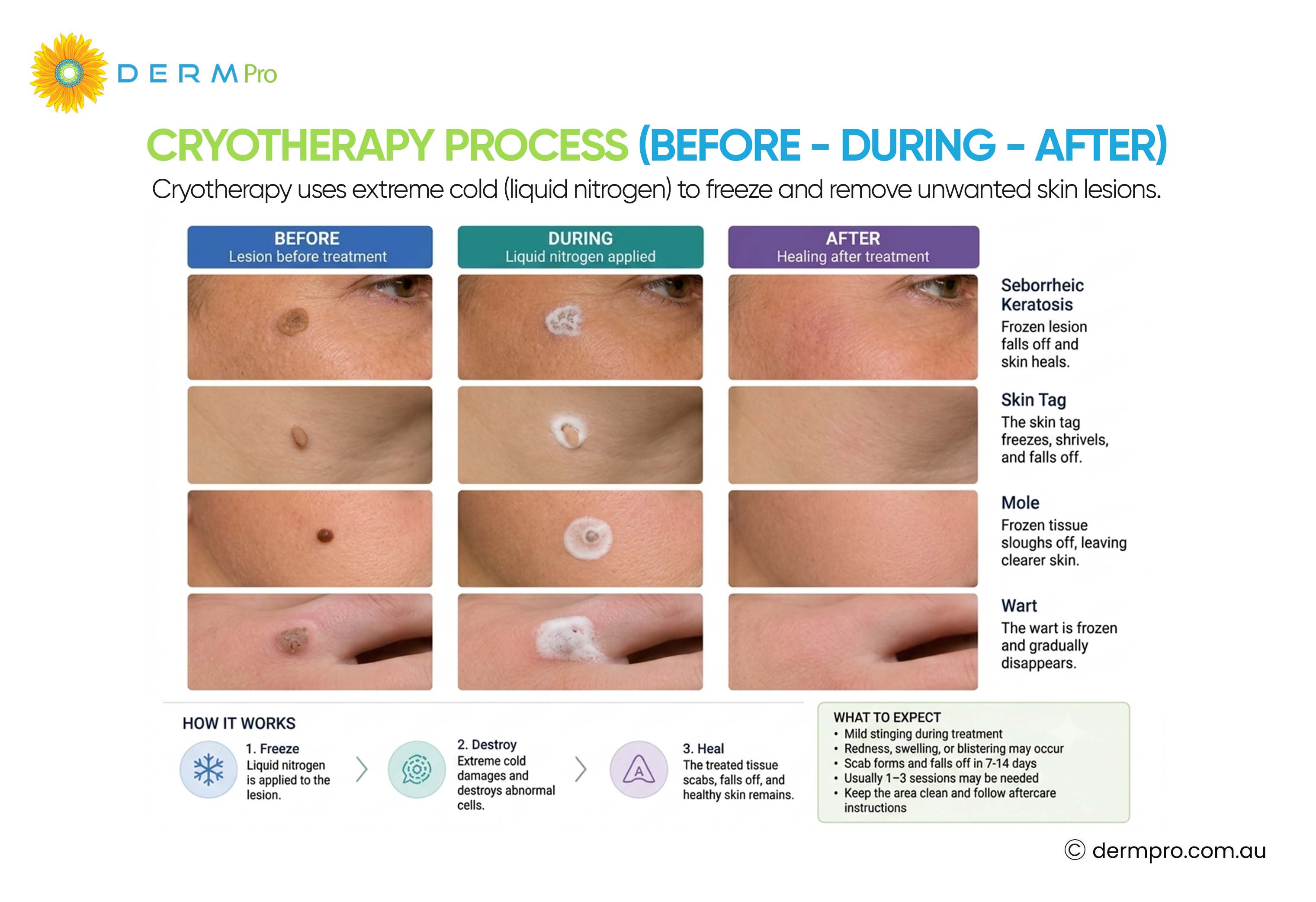
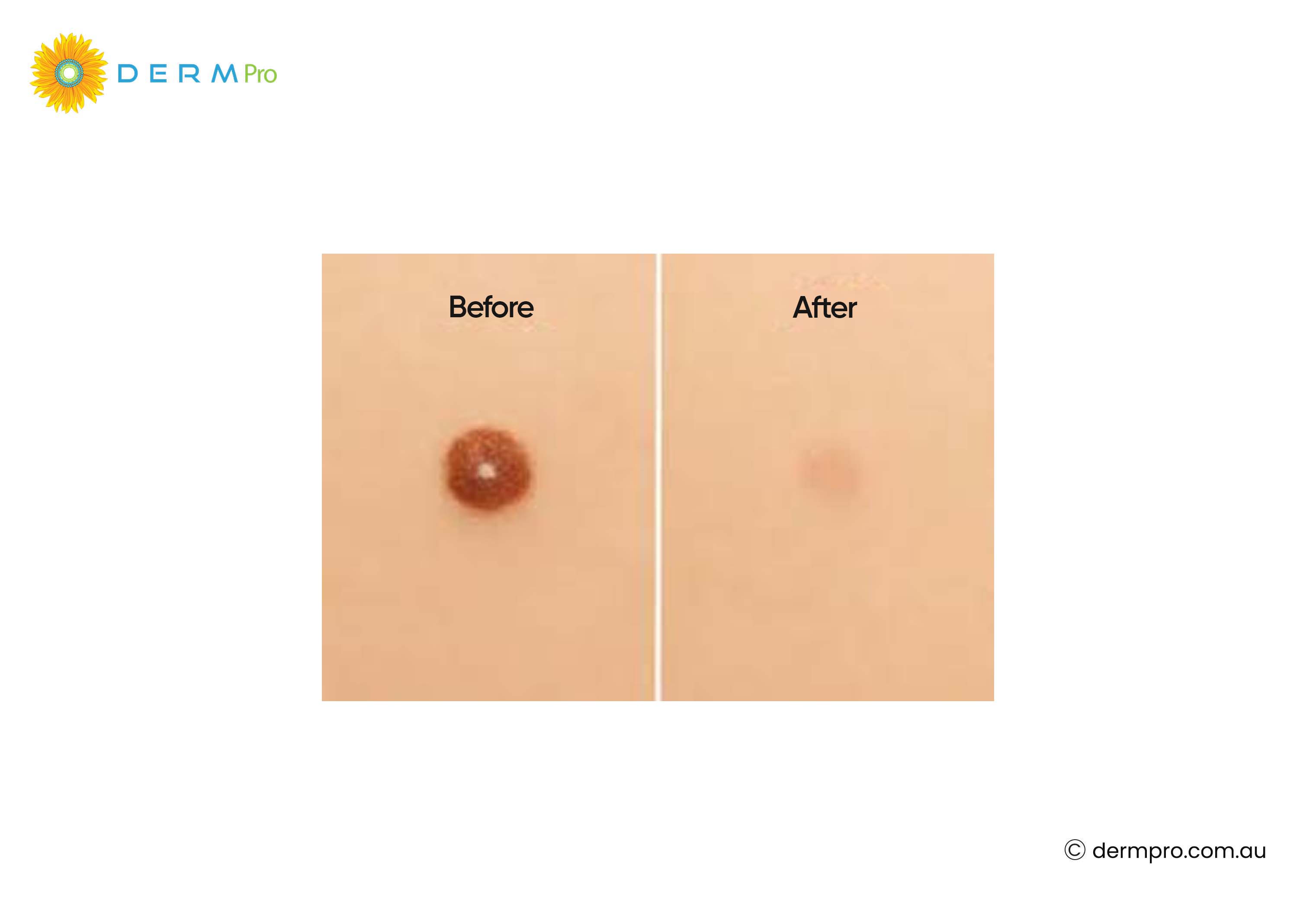
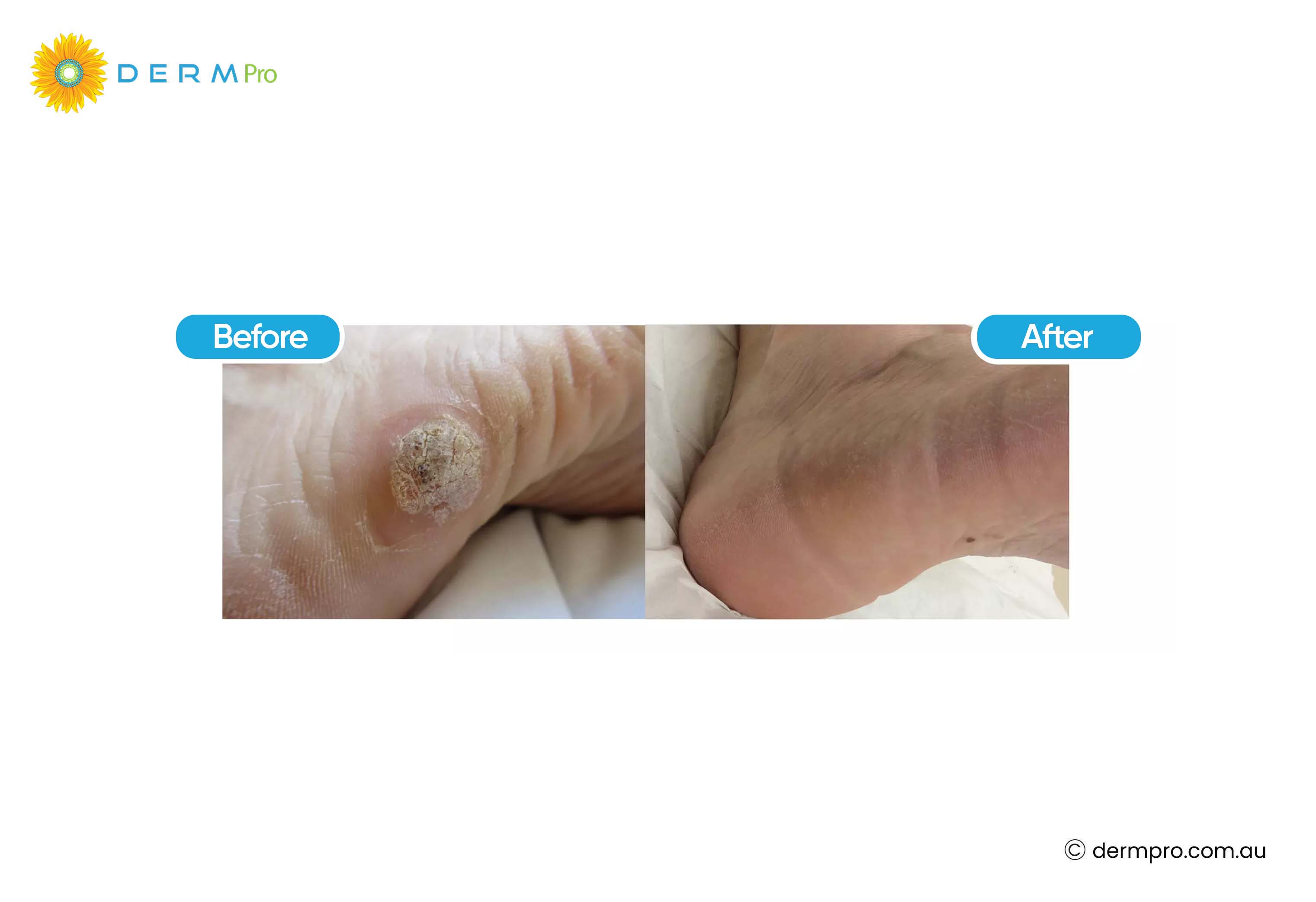
Normal after cryotherapy:
- Whiteness immediately after treatment
- Intense redness and swelling for several days
- Blister formation
- Itching as it heals
- Temporary pigment changes
- Light scarring
Potentially concerning (contact your dermatologist):
- Increasing pain after the first week
- Signs of infection (warmth, pus, spreading redness)
- Failure to heal after 8 weeks
- Severe scarring
- Significant pigment changes that don't fade
Cryotherapy in Australia
For Australian readers considering cryotherapy, here's what you need to know about accessing this treatment in your country.
Availability and Access
Cryotherapy is widely available throughout Australia through:
- General practitioners. Many GPs can perform simple cryotherapy for common lesions like warts and skin tags
- Dermatologists, Specialists in skin conditions, have extensive experience with cryotherapy for all lesion types
- Skin clinics. Dedicated skin clinics throughout Australia offer cryotherapy services
- Private practices: Both GP and dermatology practices offer private cryotherapy appointments
Accessing Through the Healthcare System
If your lesion is causing medical problems or is potentially precancerous:
- Medicare rebates: Treatment of actinic keratoses and certain other conditions may qualify for Medicare rebates when performed by an appropriate practitioner
- GP referrals: If you need specialist assessment, your GP can refer you to a dermatologist
- Bulk billing Many practitioners bulk bill Medicare items, meaning no out-of-pocket cost
For cosmetic removal of skin tags or simple warts, treatment is typically private and out-of-pocket, though costs are modest compared to surgical alternatives.
Cryotherapy in Sydney
Sydney has excellent access to cryotherapy services:
- Private dermatology practices: Numerous experienced dermatologists throughout greater Sydney offer cryotherapy
- Skin cancer clinics: Given Sydney's high UV exposure, many clinics focus on treating sun-induced lesions, including actinic keratoses
- Hospital dermatology: Major hospitals offer dermatology services, including cryotherapy
- Walk-in skin clinics: Some practices accept walk-in appointments for simple treatments
The key is choosing a qualified practitioner. Ask whether they:
- Are medically qualified (doctor or nurse practitioner)
- Have experience with your specific lesion type
- Follow proper infection control protocols
- Provide clear aftercare instructions
- Are available for follow-up if complications arise
Who Should Avoid Cryotherapy?
While cryotherapy is safe, if a person with certain conditions or situations must avoid cryotherapy.
- Having suspicious or changing pigmented lesions
- Patients with significant circulatory problems may have delayed healing after cryotherapy.
- Conditions affecting sensation or nerve function (like severe neuropathy)
- Cold sensitivity disorders, such as cryoglobulinemia
- Lesions requiring histological examination
- Areas requiring biopsy first
- Severe allergy to adhesives or bandages
Conclusion
Cryotherapy for skin lesions is a proven and effective treatment that has helped countless patients eliminate unwanted warts, skin tags, and other benign lesions. Understanding what the procedure involves, what to expect during healing, and how to properly care for your skin afterwards empowers you to make confident decisions about your skin health.
Your skin health matters. Take the first step toward eliminating those bothersome lesions today.
This blog content is only for educational purposes and does not substitute for any medical advice for cryotherapy for skin lesions. Always consult certified healthcare professionals.
Was this article helpful?
Your feedback helps us create better content for everyone.