DermPro Skin Cancer Gallery
Explore a simple image library of skin cancer cases, created to help you understand early signs more clearly.
What is skin cancer?
Skin cancer is the most common form of cancer globally. It is caused by the mutation in the DNA of skin cells, leading to uncontrolled growth of abnormal cells. There are three primary types: Basal Cell Carcinoma (BCC), Squamous Cell Carcinoma (SCC), and Melanoma.
BCC and SCC are the most common non-melanoma skin cancers and are often found in sun-exposed areas. Melanoma is less common but more dangerous as it is more likely to spread to other parts of the body if not caught early.
The good news is that when detected early, most skin cancers are treatable and often curable. This is why understanding the risk and performing regular self-examinations is critical for your skin health.

Vera Heydendael MD, PhD
Senior Dermatologist
"Recent decades have shown a steady rise in skin cancer cases. The key to a good outcome is always early detection. The earlier we find a suspicious spot, the simpler and more effective the treatment will be."
Skin spots to keep an eye on
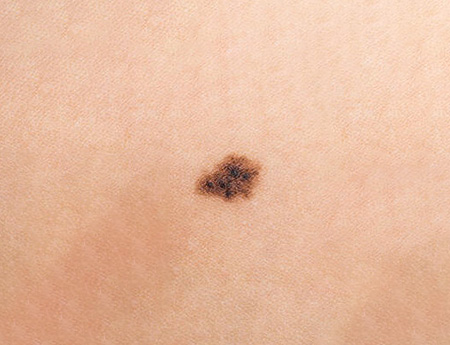
Moles
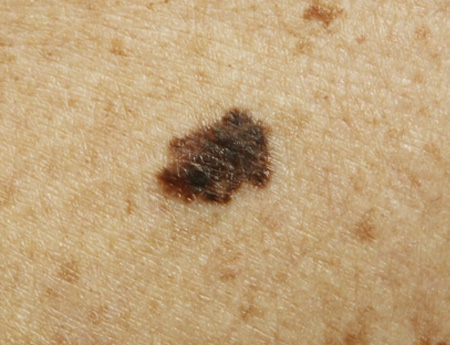
Look for moles that look different from others (the 'ugly duckling' sign). Pay attention to asymmetry, irregular borders, multiple colors, or any changes in size.
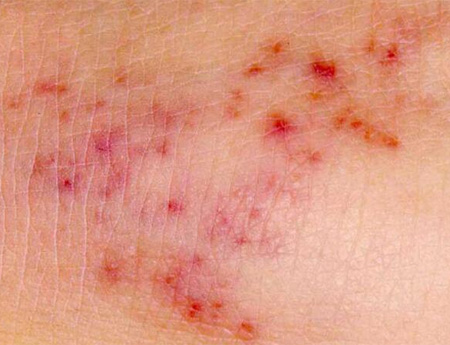
Red spots
While red spots are common and often benign blood spots (angiomas), any spot that is crusty, bleeding, or won't heal should be professionally checked.

White spots
Most white spots are 'sun spots' (hypomelanosis), but they can also indicate skin damage. Monitoring for changes in texture or size is essential.
How can you detect the symptoms?
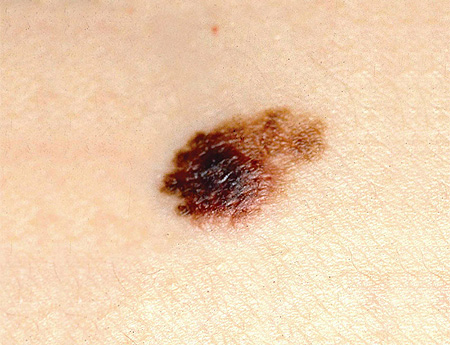
Asymmetry
Draw an imaginary line through the middle of the spot. If the two halves don't match, it is asymmetrical—a common sign of risk.
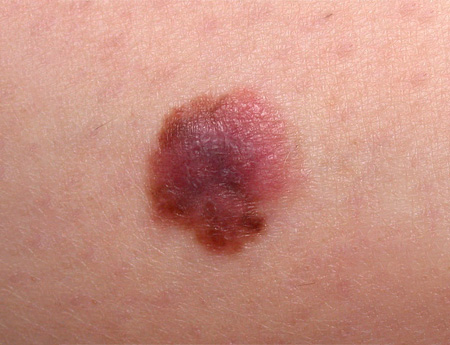
Border or Color
Look for ragged, blurred, or notched edges. Also, check for multiple shades of brown, black, or even red and blue within one spot.
Evolution
This is the most important sign. Any mole or spot that is changing in size, shape, color, or height needs immediate professional review.
Where does skin cancer appear most often?
Skin cancer can occur anywhere, but UV-exposed areas are at higher risk. Statistics show that areas like the face, neck, and ears are common for BCC and SCC.
Risk mapping shows gender differences: men often develop melanoma on the back, while women see it more frequently on the lower legs. Regardless of gender, always use a mirror or a partner to check hard-to-see areas like the scalp and soles of the feet.

Explore Related Articles
Curating Popular Guides...